What is SEO? The Beginner’s Guide to Search Engine Optimization

Key Takeaways
- SEO improves website visibility and ranking in search engine results, making it easier for potential customers to find a business online.
- Effective SEO strategies not only increase website visibility but also drive more qualified traffic, leading to more conversion and sales opportunities.
- SEO is essential for businesses to build brand credibility, enhance user experience, and reduce customer acquisition costs, making it a crucial investment for a sustainable online presence in a competitive market.
Editor’s Note: This post was originally published in February of 2020 and has been updated for accuracy and comprehensiveness.
What is SEO?
SEO, or Search Engine Optimization, is a set of practices designed to improve the visibility and ranking of web pages in search engine results.
In simpler terms, SEO helps your website show up more often and more prominently when people search for terms related to what you offer, making it easier for them to find you. This involves optimizing your website’s content and structure, so search engines can understand it better, and also improving your site’s reputation and authority on the web. The goal is to attract more visitors to your site naturally, without paying for ads, by making your site more appealing to search engines like Google.
Why is SEO so important?
SEO directly influences a business’s ability to be discovered online by potential customers. In an era where the majority of consumers turn to search engines to start their buying process, appearing prominently in search results can be the difference between flourishing and floundering. SEO helps businesses rank higher for relevant searches, which not only increases visibility but also drives more qualified traffic to their websites. This, in turn, leads to more opportunities for conversion and sales. Effective SEO marketing strategies enhance user experience, build brand credibility, and can significantly reduce customer acquisition costs. In a crowded online marketplace, SEO is not just a marketing tactic; it’s an important investment in building a sustainable online presence and staying competitive.
See Also: Why is SEO Important? 31 Powerful Benefits for Any Business
See Also: Is SEO Worth It?
How to Get Started with Search Engine Optimization (SEO)
Search Engine Optimization (SEO) can seem overwhelming due to the amount of information and techniques involved. However, by breaking it down into manageable steps, you can create a strong foundation for your website’s visibility and performance.
Here’s a straightforward and complete guide to SEO:
Step 1: Understand SEO Basics
- Learn What SEO Is: SEO is the practice of improving and promoting a website to increase the number of visitors the site receives from search engines. It involves aspects of coding, content creation, and web design.
- Know the Types of SEO: Familiarize yourself with the three main types of SEO: on-page SEO (content, keywords), off-page SEO (backlinks, social media), and technical SEO (site structure, mobile-friendliness).
Step 2: Keyword Research
- Identify Your Target Audience: Understand who your audience is and what information they are seeking.
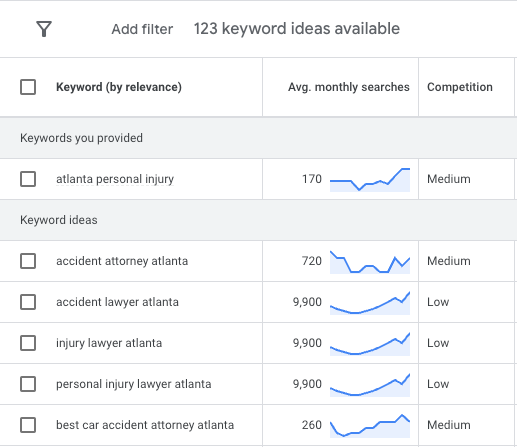
- Use Keyword Research Tools: Tools like Google Keyword Planner, SEMrush, or Ahrefs can help you find relevant keywords and phrases related to your business or content.
- Choose Keywords Wisely: While competitive keywords may be tempting, focus on long-tail keywords (specific phrases) that have less competition but are very relevant to your audience.
Step 3: Optimize Your Website
- Optimize Page Titles and Meta Descriptions: Ensure each page has a unique title and description that includes your target keywords.
- Improve Site Structure: Organize your site’s content in a logical way. Use header tags (H1, H2, etc.) to structure your content effectively.
- Create Quality Content: Content management is important. Produce content that is valuable, informative, and answers the questions of your audience. Remember that content is king in SEO.
- Ensure Mobile-Friendliness: With the increasing use of mobile devices, make sure your website is responsive and provides a good user experience on all devices.
Step 4: Technical SEO
- Improve Site Speed: Use tools like Google PageSpeed Insights to analyze and optimize your site’s loading time.
- Secure Your Site: Ensure your site uses HTTPS to protect your users and improve trust.
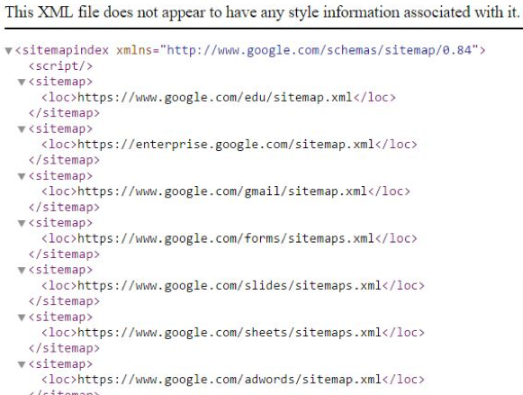
- Create an XML Sitemap: Help search engines better crawl your site by providing a sitemap.xml file.
Step 5: Build Backlinks
- Create Shareable Content: High-quality, engaging content is more likely to be shared and linked to by other websites.
- Guest Blogging: Write articles for other websites in your industry to get backlinks.
- Engage in Social Media: Share your content on social media platforms to increase visibility and potential backlinks.
Step 6: Monitor Your Progress
- Use Google Analytics: Track your site’s traffic, bounce rate, and other important metrics to understand user behavior.
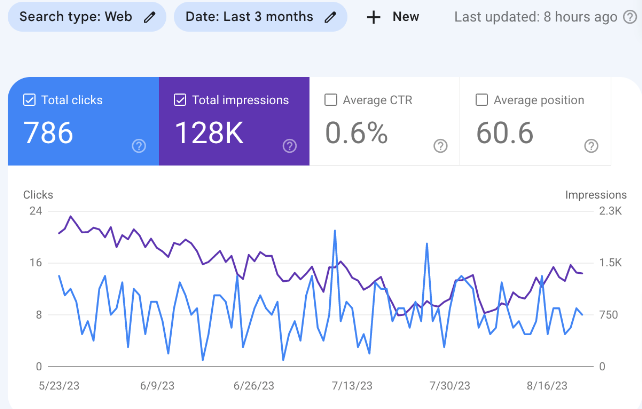
- Utilize Google Search Console: Monitor your site’s performance in search results, understand which queries show your site, and check for crawl errors.
Step 7: Continuously Learn and Adapt
- Stay Updated: SEO is always evolving. Follow SEO blogs, forums, and news sources to stay informed about the latest trends and algorithm updates.
- Be Patient: SEO takes time. It’s a long-term investment that requires continuous effort and adaptation to see substantial results.
By following these steps, you can systematically work towards improving your website’s SEO, enhancing your online visibility, and attracting more targeted traffic. Remember, the key to SEO success is consistency, patience, and a willingness to learn and adapt strategies as you go. With time and practice, you can become an SEO expert. If you ultimately don’t have the time, hiring a reputable SEO company is a great option, and the cost of SEO is probably more affordable than you think. Your newly acquired SEO knowledge will help you understand their strategies much better, and you can ask much more informed questions.
See Also: Outsource SEO Services: How To Do it Effectively + Benefits
See Also: SEO Packages: Why You Should Avoid Pre-Bundled SEO
Overview of SEO Ranking Factors
Ranking Factors in Search Engine Algorithms
Search Engine Optimization involves a variety of factors aimed at enhancing the visibility and position of websites in search engine results. Here’s an overview of key SEO factors broken down into simple terms:
- Content Quality: Just like a good book keeps you engaged, high-quality, relevant content keeps your visitors interested and encourages them to stay on your site longer. This includes well-researched information, engaging writing, and content that meets the needs and interests of your target audience.
- Keywords: These are the words or phrases people type into search engines when looking for something. Including relevant search terms in your content helps search engines understand what your page is about and show it to the right people at the right time.
- User Experience (UX): This is about making your website user-friendly. A site that’s easy to navigate, loads quickly, and looks good on all devices, including smartphones and tablets, provides a better experience that can keep people coming back.
- Backlinks: Think of backlinks as recommendations from other websites. When a reputable site links to yours, it’s like telling search engines, “This content is valuable and trustworthy.” The more quality backlinks you have, the better your chances of achieving higher organic rankings.
- Technical SEO: This is the behind-the-scenes aspect of SEO that involves optimizing your website’s technical elements to help search engines crawl and index your site more effectively. This includes optimizing your site’s structure, using SSL for security, and ensuring fast loading speeds.
- Social Signals: While not a direct ranking factor, social signals (like shares on social media) can indicate to search engines that people find your content valuable and engaging, which can indirectly improve your SEO.
- Local SEO: For businesses with a physical location or a regional service area, local SEO helps your site appear in local search results. This includes optimizing for local keywords, claiming your Google Business Profile listing, and managing online reviews.
See Also: Local SEO for Multi-Location Businesses
See Also: What is Local SEO?
See Also: Local SEO Strategies for Near Me Searches
Each of these factors plays a role in how well your site ranks for relevant search queries. The better you optimize these elements, the higher your chance of being seen by potential visitors when they search for information related to what you offer.
Importance of Keywords in SEO
Keywords are the words or phrases that people type into search engines when looking for information, products, or services. Understanding and utilizing keywords is an important piece to having an effective SEO strategy.
Why Keywords Matter
- Connection with Your Audience: Keywords act as a bridge between what people are searching for and the content you are providing. By using the same language as your audience, you increase the chances of your website being found.
- Search Engine Understanding: Search algorithms use keywords to understand the content of your web pages. The right keywords signal to these search engines what topics your site is relevant for, making it easier for them to match your site with appropriate search queries.
- Improving Website Traffic: Properly selected and used keywords can drive more targeted traffic from search engines. Visitors who find your site through relevant keywords are more likely to be interested in your content, products, or services, leading to higher engagement and conversion rates.
- Competitive Edge: By targeting specific keywords, especially those that are relevant but not overly competitive, you can carve out a niche amongst the billions of searches. This strategic selection can give you an edge over competitors who might not be optimizing for the same terms. See Also: SEO Competitor Analysis
How to Use Keywords Effectively
- Research: Start with thorough keyword research to identify terms that are relevant to your content and have a good balance of search volume and competition. Tools like Google Keyword Planner can be invaluable in this stage.
- Placement: Once you’ve identified your target keywords, incorporate them naturally into your website’s content, titles, meta descriptions, and URLs. However, be mindful of “keyword stuffing,” which can negatively impact your SEO efforts.
- Content Creation: Create quality content around your keywords. The content should provide value to your audience, answering their questions or solving their problems, which in turn can improve your site’s ranking for those terms.
- Monitoring and Updating: SEO and keyword effectiveness can change over time. Regularly monitor your website’s performance and update your keyword strategy to reflect changes in search trends and audience behavior.
Keywords are the cornerstone of SEO. They help ensure that your website and its content are visible, relevant, and accessible to your target audience through search engines. By understanding and strategically using keywords, you can significantly enhance your website’s potential to attract and engage visitors.
See Also: Best Tools to Monitor Keyword Search Rankings
Role of Backlinks in SEO
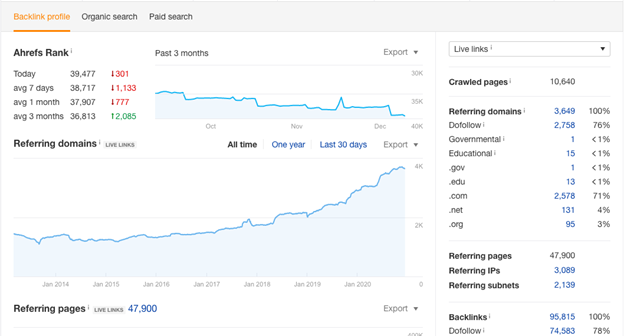
Think of each backlink as a vote of confidence from one site to another. The more votes (or backlinks) a web page receives, the more trustworthy it appears to search engines, which can significantly impact its ranking in search results.
Here’s a breakdown of why backlinks are important in SEO:
Understanding the Value of Backlinks
- Search Engine Rankings: Search engines, such as Google, see backlinks as indicators of the linked-to content’s quality. A webpage with a high number of quality backlinks will often rank higher than similar content with fewer backlinks, all else being equal.
- Website Visibility and Traffic: Backlinks from reputable sites can lead to increased visibility and traffic. When a user clicks on a backlink, they are directed to your site, potentially increasing your audience and customer base.
- Establishing Authority: Backlinks from authoritative and relevant sites can help establish your site as a credible source in your field. This perceived authority can boost your site’s ranking and attract more organic traffic.
- Networking and Relationships: Building backlinks often requires outreach and communication with other website owners, which can lead to valuable industry relationships. These connections can provide additional opportunities beyond just a backlink.
Earning Quality Backlinks
Not all backlinks are created equal. Quality over quantity is the mantra here. Here’s how to earn valuable backlinks:
- Create High-Quality Content: Content that is informative, engaging, and valuable is more likely to be shared and linked to by other websites.
- Guest Blogging: Writing articles for other relevant blogs can provide the opportunity to include backlinks to your own site.
- Be Active in Your Community: Participating in forums, social media groups, and other online communities related to your niche can lead to natural backlinks as you share your expertise and content.
- Reach Out: Don’t hesitate to reach out to other website owners to discuss potential link-sharing opportunities. However, focus on how your content can add value to their site or their audience’s experience.
Ethical Backlink Practices
It’s important to earn backlinks ethically. Practices like buying backlinks or participating in link exchange schemes can lead to penalties from search engines. Focus on building backlinks naturally and from reputable sites within your industry or niche.
In summary, backlinks play a crucial role in SEO by helping to improve site ranking, increase search marketing visibility, and establish authority. Earning quality backlinks through valuable content creation and ethical practices is an important strategy for any site looking to improve its SEO performance.
Is it Important to Have a Keyword in the Domain Name?
Having a keyword in the domain name was once considered a powerful tactic in the SEO playbook. The logic is straightforward: when your domain name includes a relevant keyword, it immediately signals to both users and search engines what your website is about. This can boost your site’s relevance for that keyword, potentially improving your search engine rankings for queries related to the keyword. Moreover, when users see the keyword in your domain, it might increase click-through rates from search engine results pages (SERPs) because the domain directly matches their search intent.
However, the importance of having a keyword in the domain name has evolved. Search engines, particularly Google, have become more sophisticated in understanding a website’s content and context beyond just the domain name. The focus has shifted towards quality content, user experience, mobile-friendliness, and other SEO factors. While a keyword-rich domain can still provide a slight advantage in terms of relevance and branding, it’s not a make-or-break factor for SEO success. It’s more important to choose a domain name that is memorable, easy to type, and aligns with your brand. If it can naturally include a keyword without forcing it, that’s a bonus, but the overall quality and authority of your website play a much larger role in your SEO marketing performance.
Types of SEO Strategies
Technical Optimizations for SEO
Technical SEO refers to the process of optimizing the technical aspects of a website to improve its visibility and ranking in search engine results. Unlike content optimization, which focuses on the content and keywords, technical SEO ensures that a site meets the technical requirements of modern search engines for improved crawling, indexing, and ultimately, ranking.
Here’s a breakdown of what technical optimizations entail and why they’re important for SEO success:
Why Technical SEO is Important
- Enhanced Crawlability and Indexability: Ensuring search engines can easily crawl and index your website is the first step to appearing in search results. Technical SEO makes your site accessible and understandable to search engine bots.
- Improved User Experience: Technical optimizations also focus on improving the user experience, which is a significant ranking factor. Fast load times, mobile-friendliness, and secure connections contribute to a positive user experience.
- Eliminating Duplicate Content: It helps in identifying and resolving issues of duplicate content, which can dilute your site’s relevance and negatively impact rankings.
- Structured Data: Implementing structured data helps search engines understand the content of your site and can enhance your listings in search results (e.g., through rich snippets).
Key Technical SEO Optimizations
- Mobile Optimization: With the majority of searches now performed on mobile devices, having a mobile-friendly website is crucial. Google’s mobile-first indexing means the mobile version of your site is considered the primary version.
- Site Speed: Page load times are a significant ranking factor. Optimizing images, leveraging browser caching, and minimizing CSS and JavaScript can drastically improve site speed.
- Secure Sockets Layer (SSL): SSL is a security technology that ensures the data transfer between your website and the visitor’s browser is encrypted and secure. Search engines favor HTTPS websites over HTTP.
- Structured Data Markup: Using schema markup to provide search engines with explicit clues about the meaning of page content can help your site appear more prominently in SERPs (Search Engine Results Pages).
- XML Sitemaps: An XML sitemap lists a website’s important pages, making sure search engines can find and crawl them. This is especially important for sites with deep structures or pages not easily discoverable through links.
- Robots.txt: This file tells search engine spiders which pages or files they can or can’t request from your site. It’s used primarily to avoid overloading your site with requests.
- Breadcrumbs: SEO breadcrumbs are navigational aids that help users understand their current location within a website’s hierarchy, making it easier for them to navigate. They also enhance a website’s SEO by enabling search engines to understand a site’s structure better, potentially improving its rankings in search results.
- Clean URL Structure: URLs should be simple, understandable, and relevant to the content of the page. Avoid long, complex URLs filled with unnecessary parameters.
- Avoiding Duplicate Content: Use canonical tags to tell search engines which version of a page is the master or preferred one, avoiding issues with duplicate content.
- 404 Error Management: Regularly check for and fix broken links within your site. Implementing custom 404 pages can also improve the user experience.
Technical SEO is a foundational aspect of any comprehensive SEO strategy. By ensuring your website is technically optimized, you not only make it easier for search engines to crawl and index your content but also provide a better experience for your visitors, increasing the likelihood of higher rankings and more traffic.
Content marketing for SEO
Content marketing is a strategic approach focused on creating and distributing valuable, relevant, and consistent content to attract and retain a clearly-defined audience — and, ultimately, to drive profitable customer action. In the context of SEO (Search Engine Optimization), content marketing plays a pivotal role in attracting search engines and helping your website rank higher for relevant keywords and phrases. It bridges the gap between what your audience seeks and what your website offers.
The Importance of Content Marketing in SEO
- Attracts Search Engine Crawlers: Regularly updated websites with quality content are like magnets to search engines. Each piece of new content is an opportunity for search engines to find and index your site.
- Boosts Keyword Optimization: Content allows you to naturally incorporate important keywords that target your audience. By aligning your content with the search queries of your audience, you increase your visibility on search engine results pages (SERPs).
- Builds Authority and Trust: High-quality, informative content positions your site as an authoritative source in your industry. Over time, this builds trust with your audience and with search engines, which can lead to higher rankings.
- Encourages Engagement and Shares: Engaging content is more likely to be shared across social media and linked to by other websites. These backlinks are vital for SEO, as they signal to search engines that your site is a valuable resource.
- Improves User Experience: Content that answers your audience’s questions, solves their problems, or enriches their knowledge makes for a better user experience. A positive user experience signals search engines that your site is valuable, potentially improving your rankings.
Strategies for Effective Content Marketing
- Understand Your Audience: Know who your audience is, what they need, what challenges they face, and what questions they have. This understanding allows you to create content that appeals directly to them.
- Keyword Research: Conduct research to find the keywords and phrases your audience uses when searching for information, products, or services in your industry. Use these keywords throughout your content.
- Create Quality Content: Produce content that is informative, engaging, and valuable to your audience. Quality content is more likely to be consumed, shared, and linked to.
- Diversify Your Content: Use a variety of content types—blog posts, articles, infographics, videos, podcasts, and more—to cater to different preferences and increase engagement.
- Optimize for SEO: Beyond incorporating keywords, optimize your content with meta tags, headers, alt text for images, and structured data where applicable.
- Promote Your Content: Share your content on social media, email newsletters, and other platforms to drive traffic to your site. Engagement signals from these platforms can indirectly influence your SEO.
- Measure and Adjust: Use analytics tools to track the performance of your content. Look at metrics like page views, time on page, bounce rate, and conversion rate to understand what works and what doesn’t, and adjust your strategy accordingly.
Content marketing is not a quick fix for SEO, but rather a long-term strategy. Consistently creating high-quality content tailored to your audience can significantly improve your site’s visibility, attract more traffic, and enhance engagement, all of which are essential components of successful SEO.
Link Building Strategies for SEO
Link building is a pivotal SEO strategy that involves acquiring hyperlinks from other websites to your own. These links act as endorsements or votes of confidence in the eyes of search engines, signaling that your content is valuable, credible, and useful. Effective link building can significantly enhance your website’s search engine rankings and overall visibility.
Here’s a guide to understanding and implementing successful link building strategies:
Why Link Building is Important
- Search Ranking Improvement: Search engines, such as Google, view backlinks as a key indicator of the quality and relevance of your content. Websites with a high number of quality backlinks tend to rank higher in search results.
- Website Traffic Increase: Links from other websites can drive direct traffic to your site. This traffic is often highly targeted and can lead to increased engagement and conversions.
- Building Relationships: The process of link building often involves reaching out to other businesses and websites, which can help establish long-term relationships beneficial for networking and cross-promotion.
- Brand Visibility and Recognition: Getting your website linked by reputable sources can increase your brand’s visibility and recognition within your industry.
Effective Link Building Strategies
- Content Creation and Promotion: Create high-quality, informative, and unique content that people naturally want to link to. Promote your content through social media, email newsletters, and other online platforms to increase its visibility.
- Guest Blogging: Writing articles for other relevant blogs or websites can be a great way to get backlinks. Ensure the site you’re guest posting for is reputable and relevant to your industry.
- Broken Link Building: This involves finding broken links on other websites and suggesting your own website as a replacement. It’s a win-win situation: you provide value by helping fix their site while acquiring a backlink.
- Infographics and Visual Content: People love to share visually appealing content. Creating and promoting infographics, videos, and other types of visual content can encourage others to link to your site.
- Resource Link Building: If you create valuable resources such as tutorials, guides, or research studies, other sites are more likely to link to your content as a reference.
- Directory Submissions: Submit your website to online directories that are relevant to your industry. Ensure these directories are credible and well-regarded to avoid any negative SEO impacts.
- Building Relationships: Engaging with your community, participating in forums, and attending industry events can lead to natural backlink opportunities through the relationships you build.
- Testimonials and Reviews: Offering to write a testimonial or review for products or services you use can result in a backlink from the company’s website.
Best Practices for Link Building
- Focus on quality over quantity. A few high-quality backlinks from authoritative sites are more valuable than many low-quality links.
- Aim for relevance. Links from sites related to your industry or niche are more effective than those from unrelated sites.
- Be patient and consistent. Building a strong backlink profile takes time and persistent effort.
- Avoid black hat SEO techniques such as buying links or participating in link farms. These practices can lead to penalties from search engines.
Link building is a powerful strategy within SEO that requires creativity, persistence, and a focus on building genuine relationships and high-quality content. By employing the strategies outlined above, you can enhance your site’s authority, improve its search engine ranking, and drive targeted traffic to your website.
See Also: Generating Backlinks with Pinterest
Maximizing Organic Traffic
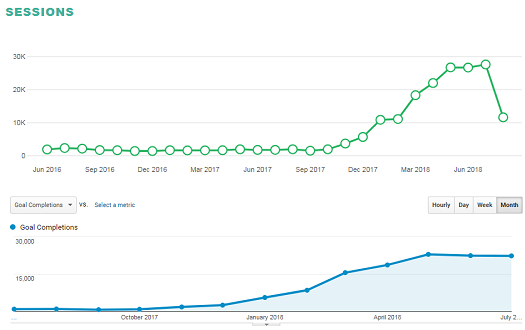
Importance of High-Quality Content in Organic Search Traffic
High-quality content is the cornerstone of successful SEO and the key to attracting organic search traffic. In the realm of SEO, content does more than just fill your web pages—it engages your audience, answers their questions, and solves their problems. When search engines like Google decide which pages to rank highest for a given query, one of the primary factors they consider is the quality and relevance of the content.
Here’s why high-quality content is so crucial for organic search traffic:
Building Trust and Authority
High-quality content establishes your website as a credible source of information, building trust with your audience and authority within your industry. This credibility not only encourages visitors to return to your site but also makes other websites more likely to link to your content, further boosting your SEO efforts.
Enhancing User Engagement
Engaging content captures the attention of your visitors, encouraging them to spend more time on your site. Metrics like time on site and bounce rate are indicators of user engagement, which search engines take into account when ranking pages. Well-crafted content that provides value to readers will improve these metrics and, in turn, your site’s SEO performance.
Driving Organic Traffic Through Keywords
High-quality content allows you to incorporate keywords naturally, without resorting to keyword stuffing. By focusing on topics that matter to your target audience and using keywords effectively, you can improve your visibility in search engine results pages (SERPs) for those queries. This visibility drives organic traffic to your site from users specifically interested in what you have to offer.
Encouraging Social Sharing and Backlinks
Exceptional content is more likely to be shared on social media and linked to by other websites, which are signals of quality and relevance to search engines. Social sharing and backlinks not only increase your site’s reach and visibility but also contribute to your site’s SEO profile by driving more traffic and improving domain authority.
Supporting Long-Term SEO Success
While search engine algorithms continue to evolve, the constant factor remains the demand for high-quality content. Investing in quality content creation lays a solid foundation for your SEO strategy, ensuring that your site can adapt to changes in algorithms and maintain its rankings over time.
Tips for Creating High-Quality Content
- Understand Your Audience: Know who you’re writing for and what questions they’re asking, so your content can provide the answers.
- Focus on Value: Ensure every piece of content offers value to your readers, whether it’s through information, entertainment, or solving a problem.
- Be Original: Create unique content that stands out from what’s already available online.
- Optimize for Keywords: Incorporate relevant keywords naturally to help your content rank for those terms.
- Make It Accessible: Use clear, concise language and structure your content with headings, bullet points, and short paragraphs to improve readability.
In essence, high-quality content is not just a requirement for good SEO—it’s the very essence of it. By prioritizing the creation of valuable, relevant, and engaging content, you not only enhance your website’s SEO performance but also provide a better experience for your users, leading to higher conversion rates and customer loyalty.
See Also: Organic vs. Paid Search Statistics
See Also: How Long Does SEO Take to Show Results?
Utilizing Keyword Research Tools to Identify Relevant Keywords
Keyword research is a critical first step in any SEO strategy, helping you understand what your target audience is searching for online. The right keywords can connect you to your audience by aligning your content with their needs and search queries. To find these golden nuggets of SEO, various keyword research tools are at your disposal, each offering unique insights and data to shape your content strategy.
Here’s how to utilize these tools effectively, even if you’re just starting out:
Understanding Keyword Research Tools
Keyword research tools help you identify terms and phrases people use in search engines. They provide data on search volume (how many times a keyword is searched in a month), competition (how difficult it is to rank for that keyword), and related keywords (variations or related searches that users are also interested in).
Popular Keyword Research Tools
- Google Keyword Planner: A free tool designed for AdWords advertisers but invaluable for SEO too. It gives insights into search volumes, competition levels, and suggests additional related keywords.
- SEMrush: Offers detailed keyword data, including trends, search volume, competition score, and a wealth of other SEO metrics. SEMrush also provides insights into the keywords your competitors are ranking for.
- Ahrefs: Known for its extensive backlink analysis features, Ahrefs also offers powerful keyword research tools, showing search volume, keyword difficulty, and the potential traffic a keyword might bring to your site.
- Ubersuggest: A free tool by Neil Patel that provides keyword suggestions, search volume, competition, and even content ideas for each keyword.
- Moz Keyword Explorer: Offers comprehensive data on search volume, difficulty, and even predicts the potential success of targeting specific keywords.
- Bulk Keyword Generator: A free local SEO keyword tool that generates industry-specific keywords for small businesses and marketers based on their business type and city, helping them attract potential customers.
- Keyworddit: Identify difficult to find keywords using common searches from subreddits.
Steps to Utilize Keyword Research Tools
- Start with Seed Keywords: Begin with broad terms related to your niche or industry. These are your seed keywords. Input them into your chosen keyword research tool to start generating ideas.
- Analyze Keyword Suggestions: Look at the suggestions provided by the tool. Pay attention to variations that could be more specific or have a lower competition score, making them easier to rank for.
- Consider Search Volume and Competition: Ideally, you want to target keywords with high search volumes and low to medium competition. However, very niche topics might have lower volumes but can still be valuable due to their specificity and relevance to your audience.
- Look for Long-Tail Keywords: These are longer and more specific keyword phrases that are easier to rank for and often lead to higher conversion rates. They can be very targeted to what you’re offering, answering specific queries from potential customers.
- Use the Data to Inform Your Content Strategy: Based on your research, create content that addresses the topics represented by your chosen keywords. Remember, the goal is to provide value and answers to what your audience is searching for.
- Monitor and Adapt: Keyword trends can change, so it’s important to regularly revisit your keyword research tools to discover new opportunities or changes in search behavior.
Incorporating Keywords into Your SEO Strategy
Once you’ve identified your target keywords, incorporate them naturally into your website’s content, including titles, headings, body text, meta descriptions, and URLs. The key is to use them in a way that feels natural to the reader, avoiding keyword stuffing, which can penalize your SEO efforts.
In essence, keyword research tools are essential for uncovering the terms that are most relevant to your audience and business. By strategically targeting these keywords in your content, you can improve your visibility in search engine results, attract more traffic to your website, and ultimately, achieve your business objectives.
Enhancing User Experience for Better Search Engine Rankings
In the ever-evolving landscape of SEO, user experience (UX) has taken center stage as a critical factor in determining search engine rankings. Modern search engines like Google prioritize sites that offer high-quality content and an exceptional user experience. This emphasis on UX has introduced the importance of Core Web Vitals, a set of specific factors that Google considers important in a webpage’s overall user experience.
Here’s how enhancing UX, with a focus on Core Web Vitals, can boost your search engine rankings:
Understanding User Experience and Core Web Vitals
User experience encompasses the entirety of the end-user’s interaction with a website, including its navigability, speed, and overall satisfaction. Core Web Vitals are a part of this equation, providing specific metrics for quality signals that are essential to delivering a superior web experience. They include:
- Largest Contentful Paint (LCP): Measures loading performance. A fast LCP helps assure that the site is useful.
- First Input Delay (FID): Measures interactivity. A low FID means the site is more usable.
- Cumulative Layout Shift (CLS): Measures visual stability. A low CLS ensures that the page is delightful.
Why User Experience and Core Web Vitals Matter for SEO
- Improved Engagement: Sites that are easy to navigate and fast to load tend to engage users more effectively. Search engines view these metrics as signs of a quality site, positively impacting rankings.
- Mobile Optimization: A mobile-friendly site is crucial in today’s mobile-first world. Sites optimized for mobile perform better in terms of both UX and Core Web Vitals, leading to higher rankings.
- Enhanced Speed and Stability: Core Web Vitals focus heavily on a site’s speed and stability, which are key components of user experience. Google uses these metrics as ranking factors, preferring sites that offer a smooth, fast browsing experience.
Strategies for Enhancing UX and Core Web Vitals
- Optimize for Mobile: Ensure your site is responsive and mobile-friendly, providing a seamless experience on any device.
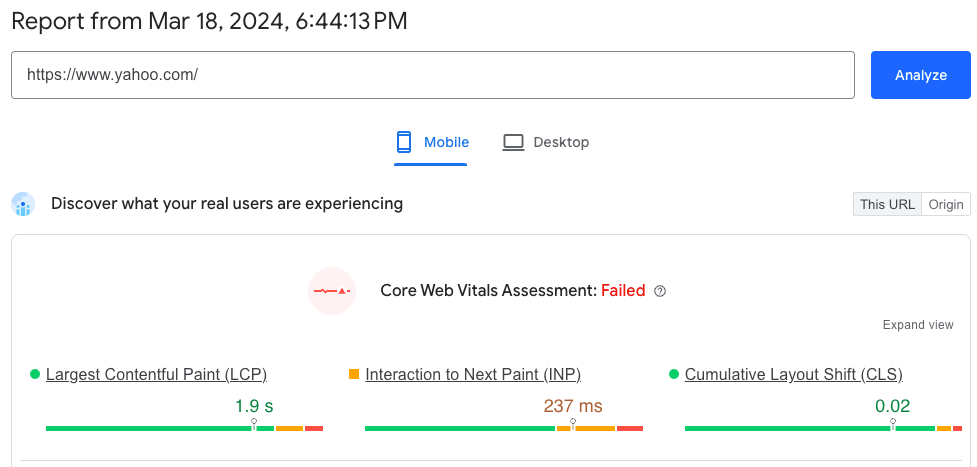
- Improve Loading Times: Use tools like Google’s PageSpeed Insights to analyze and optimize your site’s loading times, aiming for a good LCP score.
- Enhance Interactivity: Optimize JavaScript execution and server response times to improve FID, making your site more responsive to user inputs.
- Stabilize Visual Layout: To improve CLS, ensure images and videos have defined dimensions and avoid inserting content above existing content, unless in response to a user interaction.
- Simplify Navigation: A straightforward site structure and clear navigation paths enhance both UX and Core Web Vitals by making content easily accessible.
- High-Quality Content: Content remains king. Engaging, informative content that meets user needs will always be a foundation of good UX and SEO.
Monitoring UX and Core Web Vitals
Leverage tools like Google Analytics, Google Search Console, and the Web Vitals Chrome extension to monitor your site’s performance in terms of UX and Core Web Vitals. These tools provide actionable insights, helping identify areas for improvement.
Incorporating Core Web Vitals into your UX and SEO strategy not only aligns your website with Google’s ranking factors but also ensures a superior browsing experience for your visitors. By focusing on these metrics, you can enhance your site’s visibility in search engine results, attract more organic traffic, and foster a loyal audience base.
Common SEO Issues and Solutions
Dealing with Duplicate Content for SEO Optimization
Duplicate content refers to blocks of content that are either completely identical or very similar to each other, across your own site or across different websites. Search engines like Google strive to provide users with diverse and unique content in their search results. Therefore, having duplicate content can hinder your SEO efforts by diluting the visibility of your content in search results or, in worse cases, causing search engines to penalize your site.
Here’s a guide to understanding the common issues related to duplicate content and how to resolve them for SEO optimization:
Common Issues with Duplicate Content
- Split Link Equity: When multiple pages have the same content, backlinks to those pages might get split between them, reducing the potential ranking power of each page.
- Confusing Search Engines: Search engines might struggle to determine which version of the content to index and rank, leading to the wrong page being displayed in search results.
- Cannibalization: Similar content across different pages can compete against each other for rankings, potentially lowering the performance of all involved pages in search engine results.
Solutions for Duplicate Content Issues
- Use 301 Redirects: If you have multiple pages with duplicate content, consider using a 301 redirect to guide both users and search engines to the preferred or original page. This approach consolidates link equity to a single page, enhancing its ranking potential.
- Implement the Canonical Tag: The rel=”canonical” tag is a way of telling search engines which version of a page you want to prioritize in search results. By implementing this tag, you can maintain multiple pages with similar content without diluting your SEO online marketing efforts. The canonical tag signals to search engines which page is the “master” version and should be indexed.
- Improve and Differentiate Content: Whenever possible, revise and differentiate content on pages that are too similar. By ensuring that each page provides unique value, you can avoid the issues associated with duplicate content while enhancing the user experience.
- Utilize Parameter Handling in Google Search Console: For dynamic websites that generate multiple URLs leading to similar content due to URL parameters (like session IDs or tracking codes), you can use Google Search Console to specify how Google should handle these URL parameters. This helps prevent duplicate content from being indexed.
- Use Meta Robots Noindex Tag: In some cases, you might not want certain pages with duplicate or thin content to be indexed at all. Adding a meta robots “noindex” tag to these pages tells search engines not to include them in their index.
Best Practices for Preventing Duplicate Content
- Consistent Internal Linking: Always use the same URL when linking to a page internally. Having consistency with your internal links helps prevent confusion for search engines and consolidates link equity.
- Avoiding Duplicate Product Descriptions: When doing SEO for e-commerce sites, create unique product descriptions for each product instead of using the manufacturer’s default descriptions, which are likely used by multiple retailers.
- Content Syndication Awareness: If you syndicate your content on other sites, ensure that those sites use a canonical link back to your original content to acknowledge it as the primary source.
Dealing with duplicate content is essential for maintaining the integrity and performance of your website in search engine results. By implementing the solutions discussed, you can effectively manage duplicate content issues, improve your site’s SEO ability, and provide a better experience for your users.
See Also: Ecommerce SEO Best Practices Guide
See Also: How to Optimize Your Product Pages for SEO
Improving Load Times and Mobile Friendliness for SEO Success
The speed at which your website loads and its friendliness towards mobile users are important factors for SEO success. Search engines, particularly Google, prioritize websites that provide a seamless and efficient user experience across all devices. A slow-loading site or one that performs poorly on mobile devices can negatively impact your search engine rankings, reduce user engagement, and lower conversion rates.
Here’s how to address common issues related to load times and mobile friendliness, ensuring your website meets SEO best practices:
Common Issues with Load Times
- Large Image Files: High-resolution images can significantly slow down your website. While they look good, they often require more time to load.
- Excessive HTTP Requests: Every piece of your site (like images, scripts, and CSS files) requires an HTTP request to load. Too many requests can bog down your site.
- Unoptimized Code: Bulky code, including unnecessary characters, comments, and unused code, can increase page loading times.
Solutions for Improving Load Times
- Optimize Images: Use tools to compress images without losing quality. Also, consider responsive images that adjust in size based on the user’s device.
- Minimize HTTP Requests: Reduce the number of elements on your page and use CSS sprites to combine multiple images into one. This can decrease the number of HTTP requests and speed up loading times.
- Minify and Combine Files: Use tools to minify HTML, CSS, and JavaScript files (removing unnecessary formatting, whitespace, and code). Combining files where possible can also reduce HTTP requests.
Common Issues with Mobile Friendliness
- Non-Responsive Design: Websites not designed to adjust based on the visitor’s screen size can provide a poor user experience on mobile devices.
- Clickable Elements Too Close Together: On mobile devices, closely spaced links or buttons can be difficult to tap accurately.
- Intrusive Interstitials: Pop-ups that cover the content on mobile devices can hinder the user experience and are frowned upon by search engines.
Solutions for Enhancing Mobile Friendliness
- Implement Responsive Design: Ensure your website uses a responsive design that adjusts the layout and content based on the device’s screen size. This provides an optimal viewing experience across all devices.
- Optimize Touch Elements: Make sure buttons and links are easy to tap on a touchscreen. They should be large enough and spaced far enough apart to prevent accidental taps.
- Limit or Avoid Intrusive Pop-Ups: If you must use pop-ups for legal requirements or promotions, ensure they are easy to dismiss and don’t block the main content on mobile devices.
Tools and Best Practices
- Use Page Speed Insights: Google’s PageSpeed Insights tool analyzes the content of a web page, then generates suggestions to make that page faster, covering both desktop and mobile.
- Test Mobile Friendliness: Google’s Mobile-Friendly Test tool allows you to check how easily a visitor can use your page on a mobile device.
- Regular Monitoring and Optimization: Website performance and mobile friendliness are not one-time tasks but ongoing processes. Regularly test and update your website to adhere to best practices and accommodate new technologies and standards.
Improving your website’s load times and ensuring it is mobile-friendly are essential steps in optimizing your site for search engines and providing a superior user experience. By addressing the common issues outlined and implementing the suggested solutions, you can significantly enhance your website’s SEO performance and stand out in the competitive digital landscape.
Addressing Keyword Stuffing and other Black Hat SEO techniques
When trying to rank higher in search engine results pages (SERPs), some may be tempted to use questionable tactics known as “black hat SEO.” These methods are designed to trick search engines into giving a page higher rankings than it deserves. While they may offer short-term gains, they can lead to long-term penalties, including lower rankings or even removal from search index listings. Among these tactics, keyword stuffing is one of the most prevalent issues. Here’s a beginner-friendly overview of what these practices are, why they’re problematic, and how to ensure your SEO strategy remains ethical and effective.
Common Black Hat SEO Techniques
- Keyword Stuffing: Overloading web pages with keywords or numbers in an attempt to manipulate a site’s ranking. This often results in poor user experience and readability.
- Cloaking: Showing different content or URLs to users and search engines. This deceptive practice can lead to a site being banned from a search engine.
- Hidden Text or Links: Including text or links that are invisible to users but readable by search engines, typically by using white text on a white background or setting the font size to zero.
- Doorway Pages: Pages created to rank highly for specific search queries but lead users to a different page or funnel them to other sites.
Why Black Hat SEO is Problematic
- Penalties and Bans: Search engines, especially Google, have become increasingly sophisticated at detecting black hat SEO tactics. Being caught can result in severe penalties, including being de-indexed.
- Poor User Experience: Techniques like keyword stuffing can make content unreadable and frustrating for users, leading to high bounce rates and low conversion rates.
- Damage to Reputation: Employing dishonest practices can harm your brand’s reputation, making it difficult to regain users’ trust.
Solutions and Best Practices
- Focus on Quality Content: Create content that is informative, engaging, and valuable to your audience. High-quality content naturally incorporates keywords in a way that benefits the user.
- Use Keywords Wisely: Include keywords in your content naturally and sparingly. Aim for a user-friendly experience that also informs search engines about the topic of your page without over-optimization.
- Improve User Engagement: Enhance the user experience on your website by improving navigation, page speed, and mobile responsiveness. Engaged users are more likely to convert and return.
- Employ Ethical Link Building: Focus on building high-quality backlinks from reputable sources through content marketing, guest blogging, and partnerships. Avoid buying links or participating in link schemes.
- Regularly Audit Your Site: Use SEO tools to regularly audit your site for potential black hat SEO tactics, unintentionally or not, and rectify any issues found. See Also: 14 Reasons You Need an SEO Audit
Staying clear of black hat SEO techniques like keyword stuffing is important for long-term success in search engine rankings. While the lure of quick gains can be tempting, the risks associated with these practices far outweigh the potential benefits. By focusing on ethical SEO practices and prioritizing the user experience, you can build a sustainable online presence that drives organic traffic and fosters trust among your audience. Remember, SEO is a marathon, not a sprint; genuine efforts to improve user experience and content relevance are the keys to long-term ranking and success.
Algorithmic and Manual Search Penalties
Understanding the nuances of search penalties is important for maintaining and improving your website’s visibility. Penalties can significantly impact your site’s search engine rankings, either through automatic algorithmic actions or manual reviews by the search engine’s team. Here’s a beginner-friendly overview of algorithmic and manual search penalties, their differences, common issues that trigger them, and solutions for recovery. It’s also important to note that manual penalties are communicated through Google Search Console, an essential tool for website owners.
Algorithmic Penalties
Algorithmic penalties are automatic deductions in rankings that occur when a website fails to comply with the search engine’s quality guidelines, usually after an algorithm update. These penalties are not manually issued but are the result of the website being evaluated by the search engine’s algorithm.
Common Issues Leading to Algorithmic Penalties:
- Thin Content: Pages with little or no valuable content.
- Keyword Stuffing: Overusing keywords to manipulate rankings.
- Cloaking and Sneaky Redirects: Showing different content to search engines and users.
- Unnatural Links: Participating in link schemes or having an unnatural link profile.
Solutions:
- Audit Your Content: Improve or remove low-quality pages. Focus on providing valuable, in-depth content that serves the user’s intent.
- Revise Keyword Strategy: Ensure keywords are used naturally within the content. Aim for a user-friendly experience rather than trying to game the system.
- Clean Up Your Link Profile: Use tools to analyze your backlinks. Disavow spammy or low-quality links through Google Search Console.
- Stay Updated on Algorithm Changes: Keep informed about the latest search engine algorithm updates and adjust your SEO strategies accordingly.
Manual Penalties
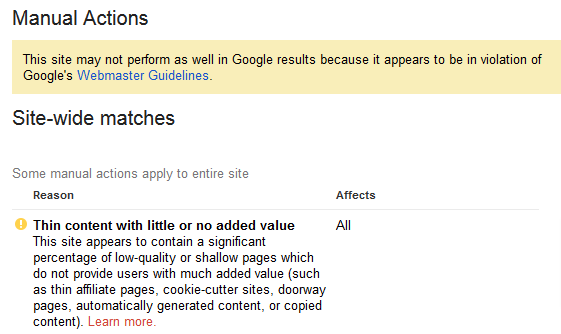
Manual penalties result from a human reviewer at a search engine determining that a portion of your site does not comply with their quality guidelines. Unlike algorithmic penalties, manual actions are explicitly communicated to webmasters through Google Search Console.
Common Issues Leading to Manual Penalties:
- Spammy Content: Posting spammy content or hosting user-generated spam.
- Hidden Text or Keyword Stuffing: Using these tactics to deceive search engines.
- Pure Spam: Using aggressive spam techniques like automatically generated gibberish, cloaking, or scraping content from other websites.
Solutions:
- Check Google Search Console: Look for notifications under the “Manual Actions” section. This will provide specific reasons for the penalty and which parts of your site are affected.
- Address the Issues: Based on the feedback from Google Search Console, make the necessary changes to your website to comply with Google’s quality guidelines.
- Submit a Reconsideration Request: After fixing the issues, submit a reconsideration request through Google Search Console, detailing the changes made to rectify the violations.
Key Differences and Monitoring
- Detection: Algorithmic penalties are detected through sudden drops in rankings or traffic that correlate with known algorithm updates. Manual penalties will be accompanied by a notification in Google Search Console.
- Recovery Process: For algorithmic penalties, improvements and recoveries can happen automatically with subsequent algorithm updates once issues are addressed. Manual penalties require a reconsideration request after fixing the issues.
Advanced SEO Techniques
Utilizing Schema Markup for Enhanced Search Engine Visibility
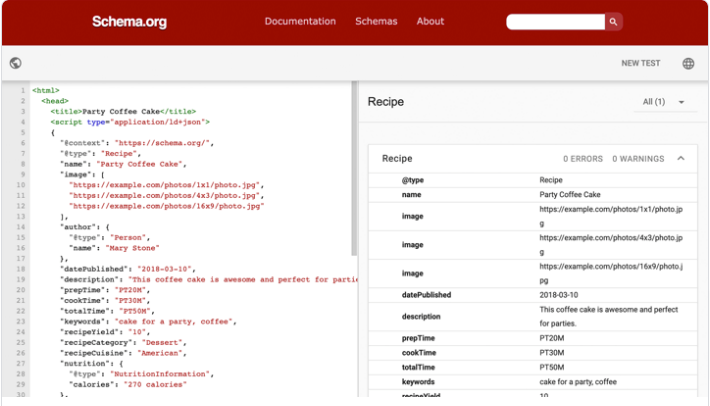
Schema markup, also known as structured data, is a powerful SEO tool that helps search engines understand the content of your website more effectively. By adding schema markup to your website’s HTML, you provide search engines with explicit clues about what your data means. This can significantly enhance the way your website appears in search engine results pages (SERPs) through rich snippets, which are enhanced descriptions that can include elements like stars for reviews, images, or event dates.
Here’s how to understanding schema markup and use it to boost your website’s visibility:
What is Schema Markup?
Schema markup is code (semantic vocabulary) that you put on your website to help search engines return more informative results for users. It’s a collaborative effort by Google, Bing, Yahoo!, and Yandex to create a common set of schemas for structured data markup on web pages. Schema.org provides a collection of shared vocabularies webmasters can use to mark up their pages in ways that can be understood by major search engines.
Examples of Schema Markup
- Articles: Marking up your articles can help Google to display them in the top stories carousel, visual stories, and in rich result listings.
- Local Businesses: For local businesses, schema markup can display information like business hours, address, and phone number directly in organic search results.
- Events: By using event markup, you can get your event to show up in search results with details like date, location, and ticket availability.
- Products and Offers: Product schema can highlight price, availability, and review ratings, making your product listings stand out in search results.
- FAQs: FAQ schema markup allows you to show a list of frequently asked questions and answers directly in SERPs, making your page more appealing to users searching for quick information.
How to Implement Schema Markup
- Identify the Most Relevant Schema: Visit Schema.org to find the most relevant types of schema for your website’s content. Choosing the right type is crucial for effective results.
- Use a Schema Markup Generator: Tools like Google’s Structured Data Markup Helper allow you to visually tag elements on your webpage and generate the appropriate HTML with schema markup included.
- Add the Generated Schema to Your Webpage: Once you have the HTML code, insert it into your webpage. For those using CMS like WordPress, plugins are available to simplify this process.
- Test Your Schema Markup: After implementing the schema, use Google’s Rich Results Test to verify that Google can read and display the markup. This tool will also highlight any issues with your implementation.
- Monitor Performance in Google Search Console: Google Search Console provides insights into how your pages perform in search results and any improvements you can make. It’s also where Google notifies webmasters of manual penalties, so keeping an eye on your Search Console dashboard is essential for maintaining your site’s health.
Benefits of Using Schema Markup
- Enhanced Visibility in SERPs: Schema markup can lead to rich snippets, which make your page stand out more, potentially increasing click-through rates.
- Direct Answers: For some queries, Google may use your schema-marked content to provide direct answers in organic searches, positioning your site as an authoritative source.
- Better Understanding by Search Engines: Structured data helps search engines understand your content better, which can influence relevancy and improve keyword rankings.
Understanding and Catering to Search Intent for Target Keywords
Recognizing and catering to the search intent behind target keywords is fundamental to connecting with your audience and enhancing your website’s visibility and relevance. Search intent refers to the reason why someone conducts a specific search. Is the user looking to buy something? Are they looking for a specific website? Or are they seeking information? Understanding this intent can significantly impact your content strategy, keyword selection, and ultimately, your SEO success.
Here’s a guide on understanding and catering to search intent for target keywords:
Types of Search Intent
- Informational Intent: The searcher is looking for information. This can range from simple facts, like the weather, to more complex information, like how to perform SEO.
- Navigational Intent: The searcher is trying to reach a specific website or page. For example, typing “Facebook” into a search engine.
- Transactional Intent: The searcher intends to complete a transaction, such as making a purchase. They might be looking for specific products or services.
- Commercial Investigation: The searcher is considering a purchase and is looking for information to compare options or make an informed decision.
Catering to Search Intent
- Identify the Intent Behind Keywords: Use keyword research tools to not only find keywords but to understand the type of content associated with those keywords. Look at the current organic listings (SERPs) for those keywords to see what type of content is ranking highly.
- Create Content That Matches Intent: Once you know the intent, create content that satisfies the searcher’s needs. For informational intent, detailed guides, articles, or videos work well. For transactional intent, product pages or service listings are more appropriate.
- Optimize for the Funnel Stage: Understand that different types of intent correspond to different stages of the buyer’s journey. Informational intent often aligns with the awareness stage, while transactional intent aligns with the decision stage. Tailor your content accordingly.
- Use Intent-Specific Keywords: Include keywords in your content that are specific to the search intent. For example, use question phrases for informational intent (“how to”, “what is”) and action-oriented phrases for transactional intent (“buy”, “for sale”).
- Format Content for Easy Consumption: Structure your content in a way that makes it easy for users to find what they’re looking for. Use headings, bullet points, and summaries to improve readability, especially for informational content.
- Improve Page Experience: Ensure that your webpage provides a good user experience by being mobile-friendly, fast-loading, and easy to navigate. This is crucial for catering to the immediate needs of users, regardless of their intent.
Examples
- Informational Intent: A blog post titled “How to Improve Your SEO Rankings” for users seeking knowledge on SEO practices.
- Navigational Intent: A homepage optimization for a brand name, ensuring users looking for your site find it immediately.
- Transactional Intent: A product page with clear purchase information, pricing, and a “Buy Now” button for users ready to make a purchase.
- Commercial Investigation: A comparison guide between different SEO tools for users deciding which tool to purchase.
By understanding and catering to the search intent of your target keywords, you align your content with the needs and expectations of your audience. This not only improves your site’s relevance and authority in the eyes of search engines but also enhances the user experience, leading to higher engagement, better conversion rates, and increased SEO success. Remember, the goal of SEO is not just to drive traffic but to drive the right kind of organic search traffic by providing value that matches the users’ search intent.
See Also: Latent Semantic Indexing
Utilizing AI Generated Content
Google’s approach to AI-generated content is rooted in its commitment to rewarding high-quality, original content, irrespective of how it’s produced. The key criteria for content evaluation remain centered around the principles of expertise, experience, authoritativeness, and trustworthiness (E-E-A-T). Google emphasizes the importance of content quality over the method of creation, whether it’s AI-generated or human-written. The focus is on delivering reliable, high-quality search results to users, which has guided Google’s content policies for years. For instance, concerns about mass-produced content a decade ago led Google to refine its systems to better reward quality content, rather than imposing bans based on the method of creation.
Leveraging Social Media Marketing for SEO Benefits
While social media signals do not directly influence search engine rankings, the integration of social media marketing into your SEO strategy can have significant indirect benefits. Social media platforms are powerful tools for enhancing brand visibility, driving traffic, and improving link building efforts—all of which can contribute positively to your SEO performance.
Here’s a guide on leveraging social media marketing to reap SEO benefits:
Enhancing Brand Visibility and Recognition
- Consistent Branding: Use your social media profiles to strengthen your brand’s presence online. Consistent use of logos, taglines, and branding across platforms helps in establishing brand recognition, which can lead to increased search queries for your brand on search engines—a factor that can improve your site’s SEO performance.
- Content Distribution: Social media is an excellent channel for distributing your content to a wider audience. The more your content is shared and engaged with on social media, the higher its potential to attract inbound links from other websites, which is a direct ranking factor in SEO.
Driving Traffic to Your Website
- Shareable Content: Create and share content that provides value to your audience, encouraging them to click through to your website. This could be blog posts, infographics, videos, or any content that resonates with your target audience.
- Engage with Your Audience: Actively engaging with your followers can increase the likelihood of them visiting your website. Respond to comments, participate in conversations, and encourage user-generated content to foster a community around your brand.
Improving Link Building Efforts
- Content Visibility: High-quality, valuable content shared on social media is more likely to be seen and then linked to by other websites. These backlinks are crucial for SEO, as they signal to search engines that your content is authoritative and valuable.
- Collaborations and Influencer Marketing: Collaborating with influencers or other brands on social media can lead to cross-promotion of content, expanding your reach and increasing the chances of earning links from diverse domains.
Social Media Profiles in Search Results
- Search Engine Listings: Well-optimized social media profiles and pages can themselves rank in the search engine results pages (SERPs) for brand searches. This not only increases your online real estate but also helps in controlling your brand’s narrative online.
- Local SEO: For local businesses, actively maintaining profiles on platforms like Facebook and LinkedIn can aid in local SEO efforts. Including up-to-date contact information, business hours, and engaging with local audiences can improve your visibility in local search results.
Best Practices for Leveraging Social Media for SEO
- Optimize Your Social Media Profiles: Include relevant keywords in your profiles and posts to improve their visibility and relevance.
- Use Social Listening: Monitor mentions of your brand and relevant keywords on social media to find engagement opportunities and understand audience needs.
- Analyze and Adapt: Use analytics tools provided by social media platforms to understand which types of content perform best, and adjust your strategy accordingly.
Optimizing for Voice Search
As the popularity of voice-activated devices continues to rise, optimizing your website for voice search has become a crucial part of SEO strategy. Voice search optimization is about adapting your content to match the more conversational tone and question-based queries that users employ when speaking to devices like smartphones, smart speakers, and voice assistants.
Here’s how you can optimize for voice search:
Focus on Natural Language and Questions
Voice searches are typically more conversational and longer than text searches. People tend to use full sentences and questions. To capture this audience, integrate natural language phrases and question-based keywords (who, what, where, when, why, and how) into your content. This approach makes it more likely for your content to match voice search queries.
Use Long-Tail Keywords
Since voice searches are more detailed, long-tail keywords become incredibly important. These are longer and more specific phrases that visitors are likely to use. Incorporating long-tail keywords helps you target specific queries and increases your chances of appearing in voice search results.
Create FAQ Pages
FAQ pages are a perfect fit for voice search optimization. They directly answer the questions users are asking and mimic the conversational tone of voice queries. Structure your FAQs around common questions related to your industry, products, or services, and provide clear, concise answers.
Optimize for Local Search
Voice searches are often used to find local information, such as directions to nearby stores or local services. Ensure your business is optimized for local SEO by maintaining an up-to-date Google My Business listing, including local keywords in your content, and ensuring your website provides location details and contact information. See Also: Local SEO Checklist
Ensure Your Website is Mobile-Friendly and Fast
Voice searches are predominantly made on mobile devices, making mobile optimization critical. A mobile-friendly website with fast loading times provides a better user experience and is favored by search engines. Use responsive design, compress images, and minimize code to improve site speed and usability on mobile devices.
Structured Data and Schema Markup
Utilize schema markup to help search engines understand the context of your content, making it easier for them to display your site as a relevant result for voice searches. Schema markup can highlight specific information, such as your business’s location, hours, and products, making this data more accessible for voice search queries.
By focusing on these key areas, you can optimize your website for the growing trend of voice search. This not only helps you stay ahead in the SEO game but also ensures that your site is accessible and useful to users, regardless of how they choose to search. As voice search technology continues to evolve, staying updated and adapting your strategies accordingly will be essential for maintaining visibility and relevance in search engine results.
See Also: SEO Automation: What is it & How to Do It Effectively
Monitoring and Analyzing SEO Performance
Using Google Search Console for Insights on Search Engine Traffic
Google Search Console (GSC) is a free tool provided by Google that helps website owners, webmasters, and SEO professionals understand how their site is performing in Google Search. It offers a wealth of data and insights into your website’s visibility on Google, tracking how often your site appears in search results, which queries show your site, how many clicks your site gets, and much more. For beginners looking to harness the power of SEO, mastering Google Search Console is a crucial step.
Here’s a guide to using Google Search Console for gaining insights into your search engine traffic:
Setting Up Google Search Console
- Verify Your Website: To start using GSC, you first need to verify ownership of your website. Google provides several verification methods, including uploading a file to your website, adding a meta tag to your site’s home page, or using your Google Analytics or Google Tag Manager account.
- Submit Your Sitemap: Submitting your website’s sitemap through GSC helps Google better understand the structure of your site and index your pages more effectively.
Key Features of Google Search Console
- Performance Report: This report shows how your site performs in Google Search results. You can see how many clicks your site received, the number of impressions, the click-through rate (CTR), and your site’s average position for specific queries.
- URL Inspection Tool: Use this tool to see how Google views a specific URL on your site. It provides insights into indexing status, crawl errors, and the ability to request indexing for a new or updated page.
- Coverage Report: This report identifies issues that prevent your pages from being indexed, such as crawl errors or pages blocked by robots.txt, and offers suggestions for fixing them.
- Mobile Usability Report: With mobile-friendliness being a critical ranking factor, this report highlights pages on your site that may have usability problems on mobile devices.
See Also: 10 Tools to Check Google Rankings
See Also: Reasons Your Organic Traffic is Dropping & How to Fix
Leveraging Insights for SEO
- Optimize Your Content: Use the Performance Report to identify which queries and pages are driving traffic to your site. Optimize your content by including relevant keywords that have high impressions but low clicks.
- Improve Click-Through Rates (CTR): Analyze queries where your site is ranking but has a low CTR. Consider updating your titles, meta descriptions, and content to make them more appealing and relevant to the search query.
- Fix Indexing Issues: The Coverage Report can help you identify and fix issues that prevent your pages from appearing in search results, ensuring that all your valuable content is indexed.
- Enhance Mobile Usability: Use the Mobile Usability Report to make necessary adjustments to your site, ensuring it offers an excellent user experience on mobile devices.
- Manual Actions: Google Search Console will notify you if your site has been manually penalized by Google. It provides details on the issue and steps to resolve it, ensuring you can regain your rankings.
Monitoring and Maintaining Your Site’s Health
Regularly check Google Search Console to monitor your site’s performance and health. Stay alert to any notifications or issues highlighted by GSC, as addressing these promptly can prevent negative impacts on your SEO efforts.
Measuring Conversion Rates and Click-Through Rates for SEO Success
In the realm of Search Engine Optimization (SEO), understanding and optimizing your Conversion Rates (CR) and Click-Through Rates (CTR) are crucial for measuring the success of your digital marketing efforts. These metrics not only provide insights into the effectiveness of your website and content strategy but also offer valuable clues on how to enhance your user experience and engagement. Here’s a beginner-friendly guide on measuring conversion rates and click-through rates for SEO success.
Understanding Conversion Rates (CR)
The Conversion Rate is a key performance indicator that measures the percentage of visitors to your website who take a desired action out of the total number of visitors. A “conversion” can vary depending on your goals, such as making a purchase, signing up for a newsletter, or filling out a contact form.
How to Measure Conversion Rate
Conversion Rate (CR)=(Number of Conversions/Total Number of Visitors)×100%
For SEO, tracking conversion rates helps you understand how well your site is performing in turning organic traffic into valuable actions.
Enhancing Conversion Rates
- Optimize Landing Pages: Ensure your landing pages are relevant, user-friendly, and clearly communicate the value of the conversion action to the visitor.
- Clear Call-to-Action (CTA): Use strong, clear CTAs that guide users toward the conversion goal.
- A/B Testing: Regularly test different elements of your pages (like headlines, CTA buttons, images) to see what works best in converting visitors.
Understanding Click-Through Rates (CTR)
Click-Through Rate measures the percentage of users who click on a link to your site in search engine results pages (SERPs) out of the total users who viewed the link.
How to Measure Click-Through Rate
Click-Through Rate (CTR)=(Number of Clicks/Total Impressions)×100%
In SEO, a higher CTR means that a higher percentage of people who saw your listing found it relevant enough to click on.
Enhancing Click-Through Rates
- Optimize Title Tags and Meta Descriptions: Create compelling, relevant title tags and meta descriptions that accurately describe the content of the page and include target keywords.
- Use Structured Data: Implementing schema markup can enhance your listing with rich snippets, such as star ratings or prices, making it more appealing and informative.
- Analyze SERP Position: Understand that CTR is often influenced by your position in the SERPs. Aim to improve your rankings through comprehensive SEO strategies.
Tools for Tracking CR and CTR
- Google Analytics: Ideal for tracking conversion rates by setting up goals to measure specific user actions on your website.
- Google Search Console: Provides insights into your CTR for various queries and pages, showing how well your pages perform in organic search.
The Importance of CR and CTR in SEO
While CR and CTR are primarily concerned with post-click activity, they offer indirect SEO benefits by signaling to search engines the relevance and value of your content to users’ search queries. Improving these metrics can lead to better engagement, higher rankings, and ultimately, more conversions from your organic search traffic.
In summary, Conversion Rate and Click-Through Rate are critical metrics for assessing and improving the performance of your SEO and content marketing strategies. By regularly monitoring these indicators and implementing targeted optimizations, you can significantly enhance your website’s ability to attract and convert visitors, driving SEO success and business growth.
See Also: SEO for Lead Generation
Implementing SEO tools for Comprehensive Data Analysis
In the complex and ever-evolving world of Search Engine Optimization (SEO), having access to accurate and comprehensive data is crucial for making informed decisions. SEO tools play a vital role in gathering, analyzing, and interpreting this data, offering insights into your website’s performance, your competitors, and the market. For beginners, understanding how to implement SEO tools for comprehensive data analysis can be the key to unlocking SEO success. Here’s a straightforward guide to getting started.
Types of SEO Tools
- Keyword Research Tools: Essential for finding the right keywords to target. They provide data on search volume, keyword difficulty, and related terms. Examples include Google Keyword Planner, SEMrush, Ahrefs, and Ubersuggest.
- Technical SEO Tools: Help identify and fix technical issues on your site that could affect your rankings, such as broken links, slow page load times, and crawl errors. Tools like Screaming Frog SEO Spider and Google Search Console are popular choices.
- On-Page SEO Analyzers: Analyze the content and structure of your web pages to ensure they are optimized for your target keywords. Tools such as Moz Pro and SEMrush offer on-page SEO analysis features.
- Backlink Analysis Tools: Provide insights into your site’s backlink profile, which is crucial for understanding your site’s authority and for building more strategic link-building campaigns. Ahrefs and Majestic are widely used for backlink analysis.
- Competitive Analysis Tools: Allow you to understand your competition’s SEO strategies, including the keywords they target, their backlinks, and their overall online presence. SEMrush and SpyFu are great for competitive intelligence.
- Rank Tracking Tools: Monitor your website’s rankings in the SERPs for specific keywords over time. This is important for measuring the effectiveness of your SEO efforts. Examples include SERPWatcher and Rank Tracker.
Implementing SEO Tools for Data Analysis
- Set Clear Objectives: Before diving into data analysis, define what you aim to achieve with your SEO strategy. Whether it’s improving organic traffic, increasing domain authority, or boosting keyword rankings, your objectives will guide how you use SEO tools.
- Choose the Right Tools: Based on your objectives, select tools that offer the features you need. Consider starting with free versions or trials to get a feel for how each tool works before committing to paid subscriptions.
- Regular Monitoring and Analysis: Use these tools regularly to monitor your website’s health, track your rankings, and keep an eye on the competition. Consistent analysis helps you identify trends, opportunities for improvement, and areas where your site is performing well.
- Integrate Insights into Your Strategy: Take the insights gained from your SEO tools and use them to refine your strategy. This might involve targeting new keywords, fixing technical SEO issues, optimizing existing content, or revising your link-building approach.
- Measure and Adjust: SEO is an ongoing process. Use your tools to measure the impact of changes and adjust your strategy accordingly. Continuous learning and adaptation based on data analysis are key to SEO success.
Best Practices
- Focus on Quality Data: Ensure the data you’re analyzing is accurate and relevant. Quality data leads to better insights and decisions.
- Combine Tools for a Holistic View: No single tool can provide all the answers. Using a combination of tools can give you a more comprehensive view of your SEO performance.
- Stay Updated: SEO tools frequently update their features and algorithms in response to changes in search engine algorithms. Stay informed about these updates to make the most of your tools.
In summary, implementing SEO tools for comprehensive data analysis is essential for any effective SEO strategy. By carefully selecting and utilizing a range of SEO tools, you can gain valuable insights into your website’s performance, identify opportunities for improvement, and track the effectiveness of your SEO efforts over time. This data-driven approach is crucial for navigating the complexities of SEO and achieving long-term success in organic search rankings.
See Also: How Often Should You Update SEO?
See Also: How to Tell if Your SEO is Working
The Future of SEO
The future of SEO (Search Engine Optimization) is constantly shaped by technological advancements, changes in user behavior, and updates to search engine algorithms. As we look towards the future, here are key trends and shifts that beginners should be aware of:
- Voice Search Optimization: With the rise of virtual assistants like Siri, Alexa, and Google Assistant, voice search is becoming increasingly popular. People use natural language when they speak, so optimizing for voice search involves focusing on long-tail keywords and questions that people are likely to ask conversationally. This means creating content that answers specific queries directly and in a user-friendly manner.
- Mobile-First Indexing: Mobile-first indexing means that Google predominantly uses the mobile version of the content for indexing and ranking. Since the majority of users now access the internet via mobile devices, having a mobile-friendly website is no longer optional. This includes responsive design, fast loading times, and easy navigation on a small screen.
- User Experience (UX) and Page Experience: Search engines are placing a stronger emphasis on the overall user experience. This includes website speed, mobile-friendliness, interactivity, and the stability of content as it loads. Ensuring a positive page experience is crucial not just for SEO but for keeping visitors engaged and reducing bounce rates.
- Artificial Intelligence (AI) in Search: AI is playing a significant role in how search engines understand and rank content. Google’s AI algorithm, BERT, helps understand natural language in search queries, making it crucial for SEO strategies to focus on creating content that genuinely adds value and answers the searcher’s intent.
- Visual Search: Visual search technology allows users to search using images instead of words. Platforms like Pinterest Lens and Google Lens are making it important for businesses to consider image optimization: using high-quality, relevant images, and optimizing image titles and alt text for search engines.
- E-A-T Principle (Expertise, Authoritativeness, Trustworthiness): Google emphasizes the importance of content quality and the authority of the content creator. Demonstrating expertise and trustworthiness in your field can impact your search rankings. This means producing well-researched, accurate content and having reputable authors.
- Semantic Search and Intent Optimization: Semantic search focuses on understanding the context and intent behind a search query, rather than just the keywords themselves. Optimizing for semantic search involves creating comprehensive content that covers topics in-depth, addressing related questions and providing valuable information.
SEO requires adaptability, a focus on quality content, and a user-first approach. By adjusting strategies to align with evolving SEO trends, you can effectively improve your website’s visibility in the search engine results pages (SERPs) and attract more targeted traffic.
Helpful SEO Software & Tools
Like almost any other profession, you need to be equipped with the right tools in order to succeed. The following is a list of popular search engine optimization tools that are used by industry professionals.
- Moz SEO Products: Moz is one of the best-known SEO product providers. Moz Pro has tools for keyword research, link building, website auditing, and more. They also have a product called Moz Local that helps with local listing management.
- Ahrefs: Ahrefs offers a wide range of tools such as a keyword explorer, a content explorer, rank tracking, and a website auditor. Their most popular feature is their backlink analysis tool, which assigns ratings to how powerful each domain and specific URL is based on the quality of links pointing into them. They are always coming out with new features.
- SEMrush: SEMrush offers organic and paid traffic analytics. You can type in any domain or web page and see what keywords are ranking. They also offer a variety of other features such as a site auditor and a content topic research tool. This is another service known for frequent product updates and new features that has become an invaluable resource for many SEOs.
- Majestic: Majestic offers a tool that allows you to analyze the backlink profile of any website or web page. They have crawled and indexed millions of URLs, categorizing each page based on topic. They have also assigned Trust Flow and Citation Flow ratings to each URL to represent, based on their analysis, how trustworthy and influential a web page or domain may be.
- Screaming Frog: Screaming Frog offers a popular desktop application tool that will crawl websites, detecting potential technical and on-page issues. The software is available for PC, Mac, and Linux.
- DeepCrawl: DeepCrawl is a website spidering tool that will analyze the architecture, content, and backlinks of a website. You can set the tool to monitor your website on a regular basis so that you are aware of issues as they arise.
- LinkResearchTools: Well-known for their backink auditing tool, LinkResearchTools has helped many SEOs identify high-risk links within a backlink profile. They also offer tools to identify link building outreach targets.
- BuzzSumo: This platform gives you the ability to analyze content for any topic or competitor. You can identify content that has been performing at a high level by inbound links and social mentions. BuzzSumo also allows you to find key influencers that you can reach out to for promoting your own content.
- Google Analytics: By far the most popular web visitor analytics tool, it allows you to analyze data from multiple channels in one location to provide a deeper understanding about user experience.
- Google Search Console: This is an essential tool that helps a webmaster understand what Google is seeing in regard to their website. You can see web indexing status, crawl errors, and even the keywords that you are ranking for. They will also send you messages if your website has received a manual penalty.
- Bing Webmaster Tools: Bing’s equivalent to Google Search Console, you can run a variety of diagnostic and performance reports. You also can receive alerts and notifications regarding your website’s performance
- Google PageSpeed Insights: PageSpeed Insights provides real-world data on the performance of a web page across desktop and mobile devices. A speed score is provided, along with optimization tips, to improve performance. You can lose website visitors if pages take too long to load, making this tool very useful.
- Structured Data Testing Tool: This tool allows you to paste code or fetch a URL to verify proper coding of the structured data.
- Mobile-Friendly Testing Tool: This tool provides an easy test to check if a website is mobile friendly. If there are page loading or other technical issues, it will provide additional details.
See Also: Free SEO Tools
Helpful SEO Resources
Knowledge is power with SEO, as it is with most industries. You need to stay aware of the latest news, research, and trends so that you are able to adapt accordingly. The following are some educational resources that provide a wealth of knowledge on the subject of search engine optimization:
- HigherVisibility’s Insite Blog: The Insite blog is a great resource for business owners and marketers to learn more about various aspects of digital marketing. There is a heavy focus on search engine optimization, but paid search and social media are also covered well.
- The Moz Blog: The Moz Blog provides insights from some of the search industry’s greatest minds. The blog provides advice, research, and how-tos.
- Search Engine Land: One of the industry’s most popular blogs, Search Engine Land provides breaking news, research, white papers, and webinars on almost anything related to digital marketing.
- Search Engine Watch: A top industry blog covering topics such as search engine optimization, PPC management, social media, and development.
- Search Engine Roundtable: Founded by industry veteran Barry Schwartz, covering breaking news and recapping events in the world of search.
- Search Engine Journal: SEJ is a popular blog founded by Loren Baker that provides the latest news in the search engine marketing industry.
- Google Webmaster Central Blog: This blog provides official news on Google’s search index straight from the Google Webmaster Central team.
SEO Conferences & Events
If you want to learn from the greatest minds in the industry, attending conferences and events is an excellent way to do it. The following are some of the most popular conferences that have a strong focus on search marketing:
- MozCon: MozCon is a conference that provides tactical sessions focused on SEO and other topics related to digital marketing. There is always a quality lineup of top industry veterans leading the discussions.
- SMX (Search Marketing Expo): SMX is produced by Third Door Media, the company behind Search Engine Land and Marketing Land. This is one of the leading events for search marketing professionals, offering a wealth of knowledge with various sessions and training workshops.
- PubCon: PubCon is a leading internet marketing conference and tradeshow that provides cutting-edge, advanced educational content to marketers.

- What is SEO?
- Why is SEO so important?
- How to Get Started with Search Engine Optimization (SEO)
- Overview of SEO Ranking Factors
- Types of SEO Strategies
- Maximizing Organic Traffic
- Common SEO Issues and Solutions
- Advanced SEO Techniques
- Monitoring and Analyzing SEO Performance
- The Future of SEO
- Helpful SEO Software & Tools

Enter your email to get strategic insights, a plan of action, and pricing options.
From Our Insite Blog
We believe that SEO requires an all-encompassing approach to ensure a sustainable future for your site and achieve your goal…. conversions.

Can't recommend them enough! I had a great experience with them and saw results but made the mistake of thinking a cheaper agency was better. Boy was I wrong. I'm back now!