How to Qualify Leads Through Your Website Content

Key Takeaways
- Having an effective lead qualification system for website content can lead to higher return on investment (ROI) for content marketing efforts.
- Qualified leads show genuine interest in products/services, can afford them, and are ready to make a purchasing decision, while unqualified leads may only visit for general information.
- Creating valuable content like landing pages and case studies can help collect lead information and kickstart the qualification process, addressing the challenge of attracting quality leads for content marketers.
Content marketing is not a cheap venture, so it’s essential to have a system to capture and qualify incoming visitors. This way, you create content they find valuable, and they, in turn, pay for your product or service if it’s exactly what they need. Everybody wins.
You may not be on the winning side, though, if you don’t have an effective lead qualification system for your website content.
And without an effective qualification system, your content can yield little return on investment (ROI). This guide will help you transform your website content into a lead magnet rather than a content mill.
In this article, you’ll learn what lead qualification is, how to qualify leads using website content, and the essential next steps to follow.
What is Lead Qualification?
Lead qualification is the process of determining if a lead is a good fit for your business. A lead is a good fit if they show genuine interest in your product/service, can afford it, and are in the position to make a purchasing decision.
According to Semrush, attracting quality leads is the biggest challenge for content marketers. You can start by creating valuable content that meets the needs of your target audience. This includes using high-value pages like landing pages, conversion-oriented how-to guides, case studies, and blog articles to collect lead contact information to kickstart the qualification process.
What is the Difference Between Qualified and Unqualified Leads?
| Qualified leads | Unqualified leads |
| Frequently visits high-intent pages (pricing, product/service, location pages, checkout pages, product comparison, contact) | Only visits to read blog posts or general information pages |
| Downloads bottom-of-funnel content (buyer’s guides, pricing sheets) | Downloads only top-of-funnel content |
| Fills out detailed contact forms completely | Partially completed forms or use fake information |
| Engages with email content consistently | Never opens follow-up emails |
| Requests specific information about services | No clear purchase timeline |
| Provides project details willingly | Speaks in vague terms about needs |
| Responsive to follow-up communications | Slow or no response to follow-ups |
Types of Qualified Leads
There are two major types of qualified leads: marketing-qualified leads (MQLs) and sales-qualified leads (SQLs).
- Marketing-qualified leads are those who engage with your website pages, forms, download your high-value content, etc.
- Sales-qualified leads are MQLs that progress to the sales-qualified leads stage. This category of qualified leads is converted after the sales team follows up, and they show significant interest in the product/service. This category of people is ready for direct sales engagement; they’d definitely consider the product/service.
How to Qualify Leads through Content: A Step-by-step Guide
Here are six steps to qualify leads and move them from visitors to marketing-qualified leads and, finally sales-qualified leads:
1. Know Your Ideal Customer Profile
Before you decide if a lead is a good fit for your business, have a template of what your ideal lead is. While you may already have an ideal customer profile, update it to reflect current market realities to improve its relevance. Here’s a template you can work with:
- Company size (e.g., 100 to 1000 employees)
- Job title (e.g., marketing manager, social media manager)
- Company’s organizational approach (e.g., operationally heavy, design-oriented)
- Type of business (e.g., B2B SaaS, B2C, e-commerce)
- Price point (e.g., sells enterprise software for $5000/month)
- Location (e.g., urban areas, local communities)
Your first ideal lead profile may evolve as you gather more feedback from actual leads. The feedback will help you create a more nuanced profile that captures who they are and meets your business objectives.
Tip: Read this article to learn how to create an ideal customer profile (or user persona) through qualitative and quantitative research.
2. Create Content to Generate Leads
Create content with your leads (visitors and prospects) in mind.
This means you need to know who they are, their pain points, typical queries, interests, and content preferences so the content can meet their search intent. Understanding your target audience and their industry also makes you well-equipped to create content that will resonate with them.
To create content that your ideal clients will love, guide them through the awareness, consideration, and decision stage in the buying journey:
- Awareness Stage: here, your audience is just becoming aware of a problem or need. Your content should educate them about the pain point and position you as the expert. Use informational blog posts at this stage to capture search traffic.
- Consideration Stage: here, they’re actively searching for a solution to the problem they’ve spotted. They’re looking for the most result-driven offer they can find.
Your content should compare different solutions and highlight how yours is better than the competitors’. Examples of content for this stage include comparison articles, product demos, and case studies.
- Decision Stage: Your audience is ready to make a purchase at this stage. Your content should remove any doubts and motivate them to take action (e.g., buy). Examples of content for this stage include testimonials, customer reviews, and limited-time offers.
One way to identify which content generates the most leads is to use Google Analytics to evaluate metrics such as page views, bounce rate, and conversion rate. You can also use tools like Hotjar to see where readers engaged the most on your page; this helps you know where they spent more time on a specific piece of content.
After creating content to meet your audience’s pain points, include a strong call to action that drives readers to the next step. You should also use conversion rate optimization strategies to better track content performance and further optimize them for conversions.
Tip: Read this article to learn how to generate leads from your website.
3. Integrate a System to Collect Lead Information into Your Website Content
To keep your target audience engaged and to capture their information for follow-ups, create a compelling CTA with an irresistible offer. Here are five ways to do that:
Use Existing High-value Resources
You can tell them to sign up for your newsletter, download a free ebook, join a webinar, sign up for a free trial or a free consultation, or even try your product/service for a limited time.
The offer should be something they would be interested in because they need to get value in exchange for their contact details. You can use a pop-up form to collect their details. Here’s a popup from SEMrush from the article “How to perform keyword research”.
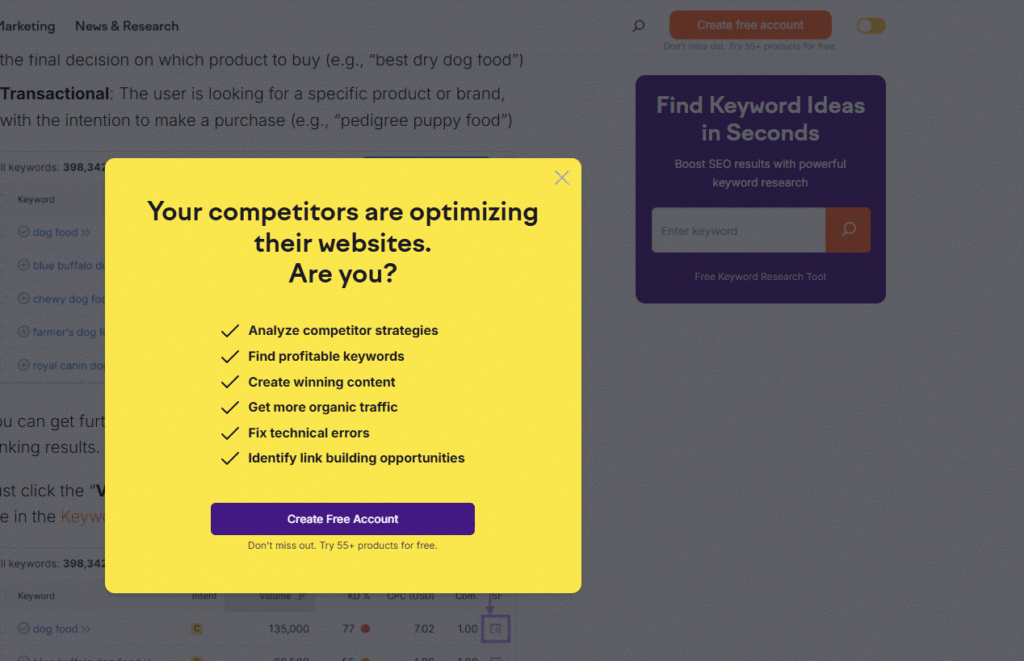
They already know that the target audience needs a product like theirs for keyword research, so they suggested I use it.
You’ll also see the blurred CTA on the right pane, telling me to “Find keyword ideas in seconds.”
Landing Pages
Your landing page is also very critical to generating leads. According to Hubspot, businesses with at least 10 landing pages increase conversion by 55% above those with less than 10 landing pages. The same study showed that those with over 40 landing pages increase conversion by over 500%.
So, create multiple landing pages for the different product and service offerings. This means you can create different landing pages for your different product/service features or categories. Your landing page should have a strong CTA to inspire visitors to try your product and potentially enter their contact information so you can follow up via emails. Here’s an example from Pawp, Inc:
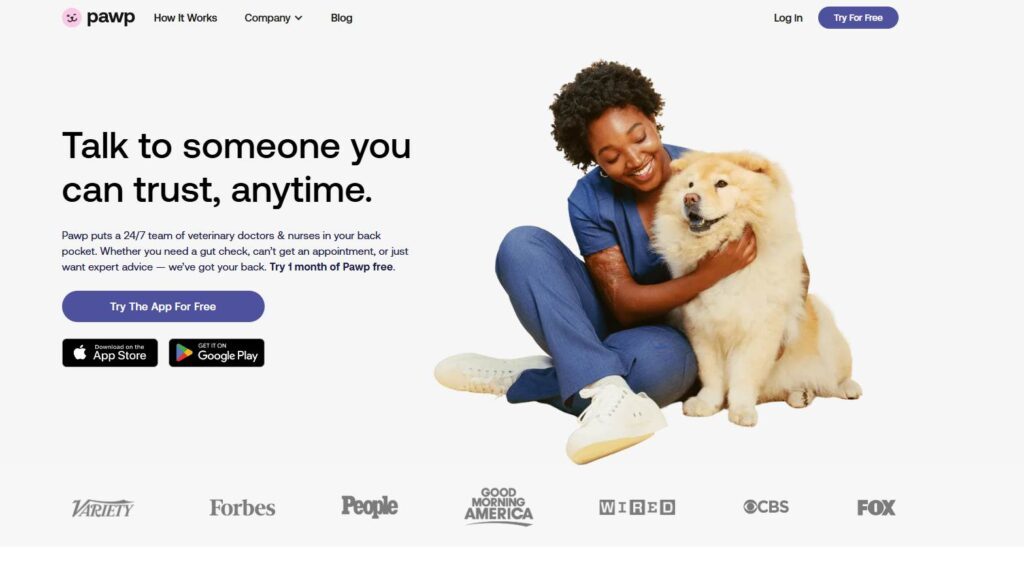
You can already see the CTAs “try for free” and “Try the app for free.”
If you scroll below this screen, you’ll see other CTAs that nudge a reader to take specific actions. That’s what your landing pages should do as well.
● Use surveys and quizzes.
Surveys and quizzes also work for lead generation.
Ask interactive questions to engage potential customers, especially if they’re short and straightforward. Here’s an example of Diamond Pet Foods; you’ll see this right on their landing page:
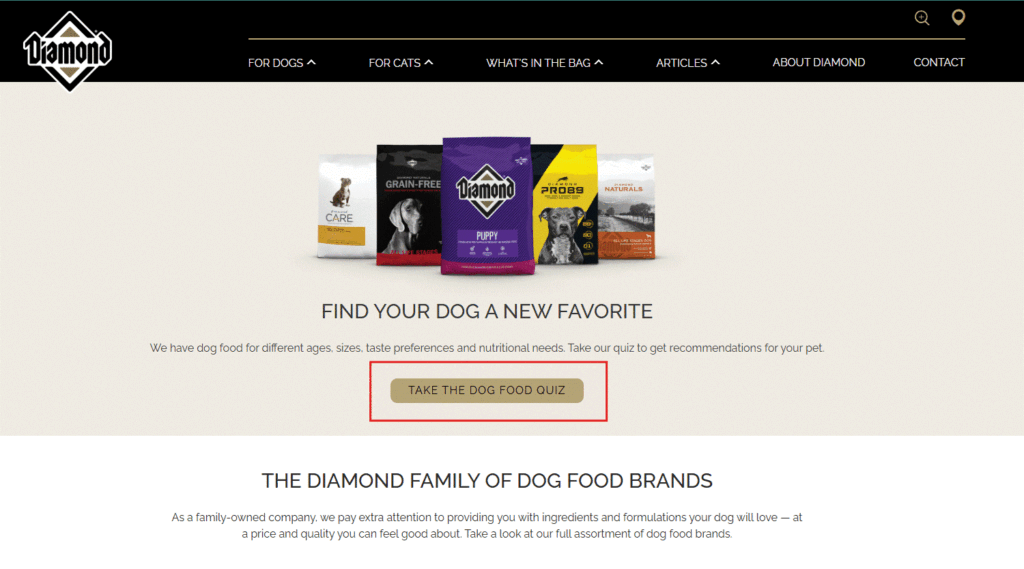
And after filling in details about your dog, you’ll see this page:
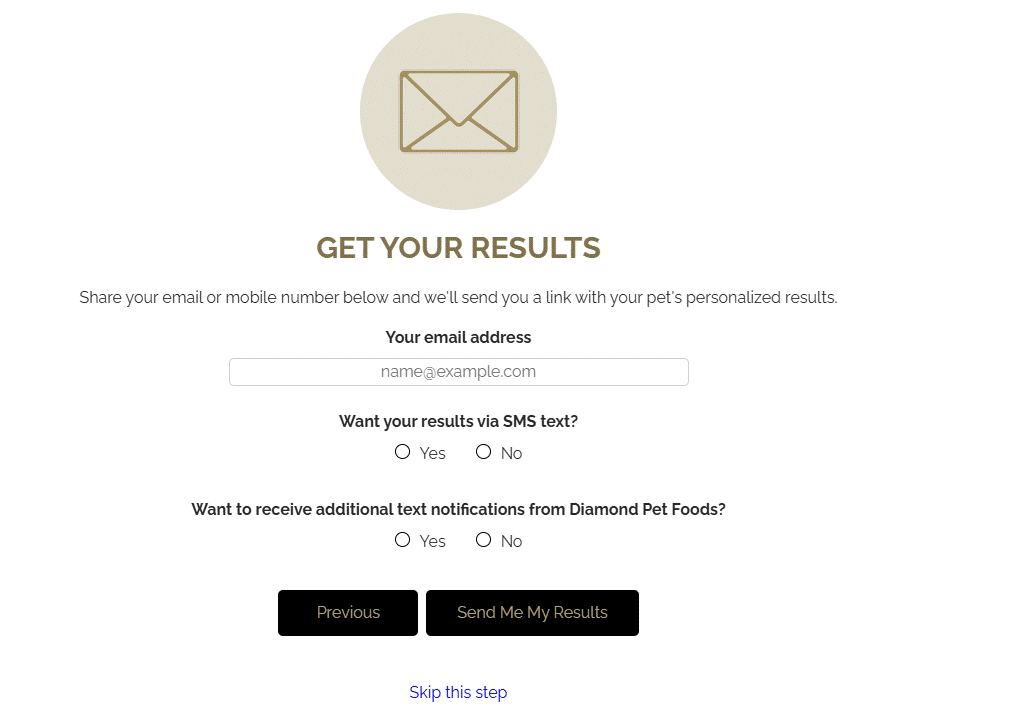
While they included an option to skip the step, few will probably want to receive the details via email or SMS to keep a record of such a report. And that’s how you get potential customers’ email addresses, which is enough to get you started with “selling” them.
Pricing pages
People who visit your pricing pages are usually weighing their options because they are already in the consideration stage. In addition to having a comparative pricing structure, add a CTA for visitors to check out the product demo, jump on a trial, or speak with an expert.
If you’re a small business owner, this is probably where you show customer testimonials saying the price is worth the product. This will remove objections on pricing and can help you motivate the lead to take action— hit the “Add to cart” or “buy now” button.
Use interactive calculators
Interactive calculators are hard to resist and are the perfect tool to qualify leads. If you have a service business, use a calculator to help clients determine what it will cost if they add certain features to their list of purchases.
Here’s an example from Hubspot website grader that allows visitors to grade their sites, while Hubspot gets their emails and website names in return.
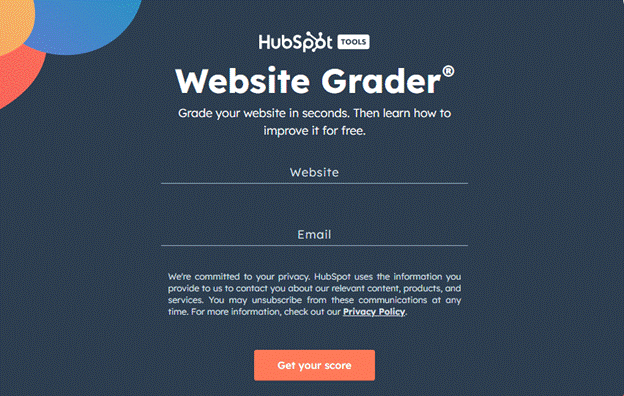
This list is enough for the HubSpot sales team to pitch further, especially if that’s how they qualify a marketing-qualified lead.
Score Leads
The lead data you capture from your website should be organized into a CRM database.
Next, establish a lead scoring model to automatically assess lead quality based on predetermined criteria. You should only pass leads that meet the assigned score threshold to the sales team. Here’s how to design a lead-scoring model:
- Assign numerical values to your leads to see how closely they match your ideal customer profile (based on your qualification criteria).
- Create a grading scale where your ICP score is the maximum
- Score leads according to how well they match your ICP.
Categorize the leads into high, medium, and low priority based on their scores.
Those with the highest scores should have the highest priority as they are a good fit for your product or service and can financially commit. Send the categorized leads list to the sales team, who will interact with the leads and convert them from marketing-qualified leads to sales-qualified leads.
Choose a lead qualification framework
Here, the sales team takes over to interact with the leads using a lead qualification framework. Popular lead qualification frameworks include BANT, MEDDIC, CHAMP, GPCTBA/C&I, and ANUM. Here are their features and the best scenarios they are ideal for:
I. BANT
BANT focuses on the client’s budget, authority, needs, and time. Using this framework, you can determine if the lead has the budget, decision-making power on the purchase, has the relevant pain points your product or service caters to, and a reasonable timeline to become a customer.
BANT, commonly used for B2B clients, qualifies leads meeting at least three out of the four criteria. Some of the questions you should ask using this framework include;
- Do you or your organization have the budget to invest in a new solution?
- When are you aiming to make a purchasing decision?
- What is your desired implementation timeframe?
- How do you or your organization typically approach decision-making for new solutions?
- What is the approved budget for this project/product?
These are just some ideas to get you started.
Feel free to tweak them to fit your exact needs. Bear in mind that BANT is the best framework to use when you need to quickly qualify or disqualify leads. It helps save a lot of time and energy as sales reps can focus on leads that are more likely to convert. However, its simplicity can limit the depth of information gathered about the leads’ likelihood to purchase or their interest level.
II. MEDDIC
The MEDDIC framework emphasizes the value your solution offers potential clients.
It comprises elements to capture information about the leads’ purchasing standpoint and, as such, identify a lead’s capacity and readiness to purchase. MEDDIC stands for metrics, economic buyer, decision criteria, decision process, identify pain, and champion. Here are some MEDDIC-type questions to ask your leads:
- What key performance indicators (KPIs) will you use to measure the success of this project?
- How will you quantify ROI on this investment?
- Who will ultimately be responsible for approving the budget for this initiative?
- What are the top three factors that will influence your decision to invest in a new solution?
- Can you describe the typical steps involved in evaluating and selecting a solution like ours?
- What specific challenges or pain points are you currently experiencing that this solution would address?
- Who will be the internal advocate for this project?
MEDDIC is a more comprehensive framework than BANT. It captures information on factors that could influence a lead’s decision-making process and how the lead can set up a system to promote your solution to other stakeholders.
While MEDDIC is flexible and easy to adapt to project needs, its main drawback is that it can be time-consuming. The framework’s complex nature makes it difficult to implement quickly with leads.
III. CHAMP
CHAMP represents challenges, authority, money, and priority.
This framework lays emphasis on the lead’s challenges and guides how the sales team pitches the product or service. By first identifying the leads’ pressing problems and confirming that they’re actually capable and ready to make a purchasing decision, you can decide on a fitting sales strategy to close the deal.
Here are some CHAMP-driven questions to use:
- What specific challenges are you currently facing?
- Who is the primary decision-maker for purchasing solutions in your department?
- What is the estimated budget allocated for addressing these challenges?
- How does solving this problem align with your organization’s current priorities?
Unlike other lead qualification frameworks, CHAMP allows you to understand the extent to which the lead prioritizes a solution to their challenges. With a solid understanding of the lead’s pain point and budget, you can decide quickly if the lead is a good fit and move them along the sales cycle.
The limitation to this framework is that it doesn’t capture information about the timeline of implementing the solution.
IV. GPCTBA/C&I
GPCTBA/C&I is a complex lead qualification framework used by tech companies.
It stands for goals, plans, challenges, timeline, budget, authority, negative consequences, positive consequences, and implications. It features most of the elements in other frameworks but goes further to capture information about the leads’s plans and implications of implementing a solution, whether positive or negative.
Here are examples of questions to qualify leads using the GPCTBA/C&I framework:
- What are your primary business goals for the next 12 months?
- Do you have a clear plan in place for implementation?
- What challenges are you facing, and how are they impacting your team’s productivity or overall business performance?
- How quickly do you need to see results?
- Are there any budget constraints or limitations?
- Who will be responsible for signing off on the purchase?
- What happens if you don’t address this challenge?
- How would solving these challenges positively impact your business?
By understanding the viewpoints of respective leads on the positive implications of adopting a solution and the negative consequences of letting the problem remain unsolved, you can pitch your solution in a way that takes into account the urgency and benefit of solving the problem.
V. ANUM
ANUM is a simple lead qualification framework originating from BANT.
ANUM stands for authority, need, urgency, and money; it prioritizes authority as the most crucial factor in the lead qualification process. This helps to identify the primary decision-maker early in the sales process.
Some of the questions to facilitate lead qualification using the ANUM framework include:
- Who is the primary decision-maker for this purchase?
- What issue are you looking to solve with this product or service?
- When do you want to integrate this product or service into your business?
- What is your estimated budget for this project?
While ANUM does not use an elaborate approach to lead qualification, it allows you to fine-tune your conversation, especially if the lead is the decision-maker for the purchase of your product.
Take Qualified Leads to the Next Step
After walking your leads through the lead qualification process, mark leads you consider qualified in your CRM system. Work on moving qualified leads to paying customers with appropriate sales follow-up strategies.
You can set up a meeting or consultation or draft a customized proposal based on the client’s needs.
You can also nurture your leads with emails primed with educational and strategic sales campaigns. Ensure you keep track of your lead conversion rate by monitoring how many of your qualified leads eventually make a purchase.
Common Lead Qualification Mistakes to Avoid
Here are some common mistakes that can reduce the ROI on your lead qualification efforts:
- Sticking to one type of lead qualification framework. You can work with a mix of frameworks or craft a new one that works for you. The goal is to ensure you can get sufficient information to turn leads into customers.
- Not having an ideal customer profile or working with an oversimplified version. Your ICP should capture all the essential information you need to target leads effectively.
- Not asking the right questions. The questions you ask and the way you ask them determine how your leads respond. For more crucial aspects of the qualification process, ask more open-ended than closed-ended questions.
- Not using a personalized approach with each lead. Pre-drafted scripts are great; they’re helpful checklists, but flexibility is key. When the need arises, ask questions outside of the script based on the answers the lead gives.
- Failing to follow up in a timely manner. If you don’t reach out to your leads in time following your initial interaction with them, they may explore and sign up for an alternative. Ensure you follow up with your leads promptly to love them along the sales process.
- Failing to outline a process for managing disqualified leads. Some of the leads you disqualify, whether due to budget constraints or indifference, can evolve to become qualified leads. You can set up a nurturing system to ensure they’re constantly reminded of your products or services. Emails are great tools to carry this out.
FAQ’s
1. What is lead scoring vs. lead qualification?
Lead scoring is the process of ranking leads based on their potential to become paying customers. Lead qualification is the process of determining if a lead is ready and capable of purchasing your product or service.
2. How to balance lead quality vs. quantity?
Use an ideal customer profile and a lead scoring model to narrow down on leads worth investing in.
3. When should you disqualify leads?
Disqualify leads when they don’t fit your ICP, lack the purchasing authority or budget, or don’t show genuine interest in your offer.
4. What content converts qualified leads best?
Valuable content with compelling CTAs like product comparison, case studies, product demos, case studies and testimonials, free trials, how-to guides, etc.
Conclusion
You can turn your website content into a lead-generating machine if you’re sensitive about the needs of your target audience and you create content that meets those needs. This also means that you strategically write CTAs that nudge readers to take action, and you provide content assets that may be of value to them.


Enter your email to get strategic insights, a plan of action, and pricing options.
From Our Insite Blog
We believe that SEO requires an all-encompassing approach to ensure a sustainable future for your site and achieve your goal…. conversions.

For over 5 years the HigherVisibility team has been proactive to our needs and not reactive. They produce results, are incredibly responsive and quick to action. Highly recommend!