SEO Writing: Creating SEO Friendly Content in 6 Easy Steps

Looking for guidance on how to write content that improves your chances of moving up in the SERPS?
Then today is your lucky day!
This guide is aimed at answering your questions like: “What’s is SEO Writing?” and “How Do I make content SEO Friendly?”.
But that’s not it, I’ll also walk you through a step by step process of developing an SEO content strategy and how to put that strategy into action so that you can call yourself SEO writers!
So let’s jump in.
What is SEO Writing?
SEO writing refers to the skill of composing text in a rational manner that provides context and value to both website visitors and search engines.
That’s right…it’s a skill. It doesn’t mean for writers to just create an article or blog post that is cluttered and has tons of keyword stuffing in it.
It means to create quality content that is so helpful and valuable that Google has no option other than to include it because it enriches the search results.
How to Develop Your Content Strategy?
To be able to write content that is more effective in Google, you must start by performing the necessary research.
You can’t expect to just write different types of content and have it rank. There is pre-planning involved to be able to ensure what you compose actually warrants Google to rank you.
To be able to pre-plan, start creating an outline by answering the following questions:
1. Who’s Your Audience?
Think about it, how can you write about a topic if you aren’t sure who your audience is.
Go to Google Analytics…Audience…and pull both Demographic & Interest data.
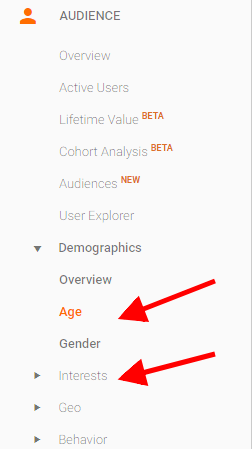
Once you have this information you are able to understand who your target audience is and you can make sure your copy is catered to them.
2. What Are You Writing About?
Now that you know who you are writing for…you need to know what you’re going to write about.
The foundation of any successful SEO content is keyword research.
The purpose of this guide is not to teach you how to perform keyword research, that can be found on this helpful guide from Ahrefs’ (Why reinvent the wheel).
Keyword research can provide you with insight into how topics are searched for, what their wants & needs are, and ultimately you’ll understand your audience better.
3. What Questions Must Be Answered?
So you have a primary keyword that you want to cover. The next phase of your pre-planning research should be focused around understanding user intent.
To understand user intent you need to know if your topic is Informational or Transactional?
Informational means that the keyword is broader and that the user typing that into Google is searching for more information to help guide them (hence the name).
An example of this would be: “How to Ride a Bicycle”
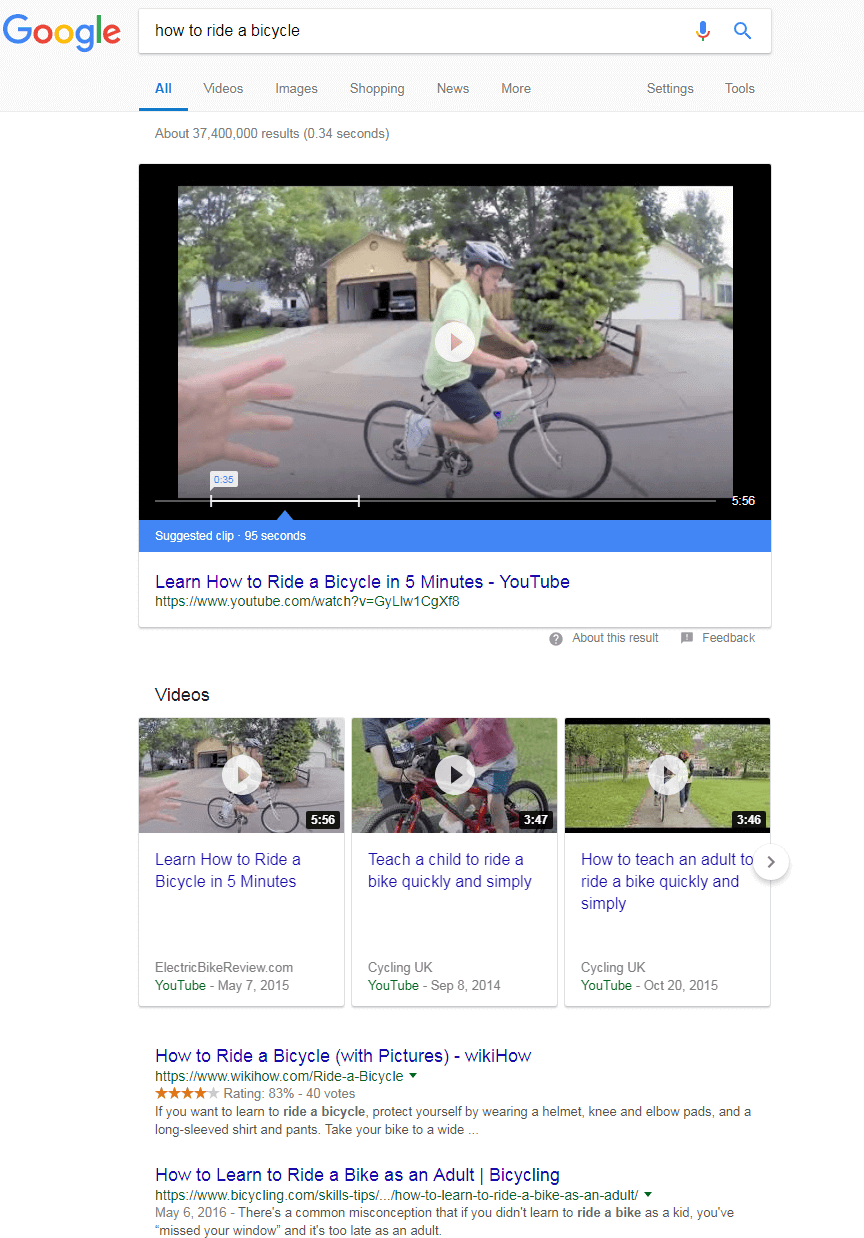
Notice that the results for this term are primarily videos and articles explaining the process of learning to ride a bicycle. There are no listings of websites that try to sell anything because Google understands the user intent is trying to get an answer.
Transactional means that the topic indicates there is an intent to make a purchase or complete a purchase or transaction.
An example of this would be: “Mongoose Bicycle”.
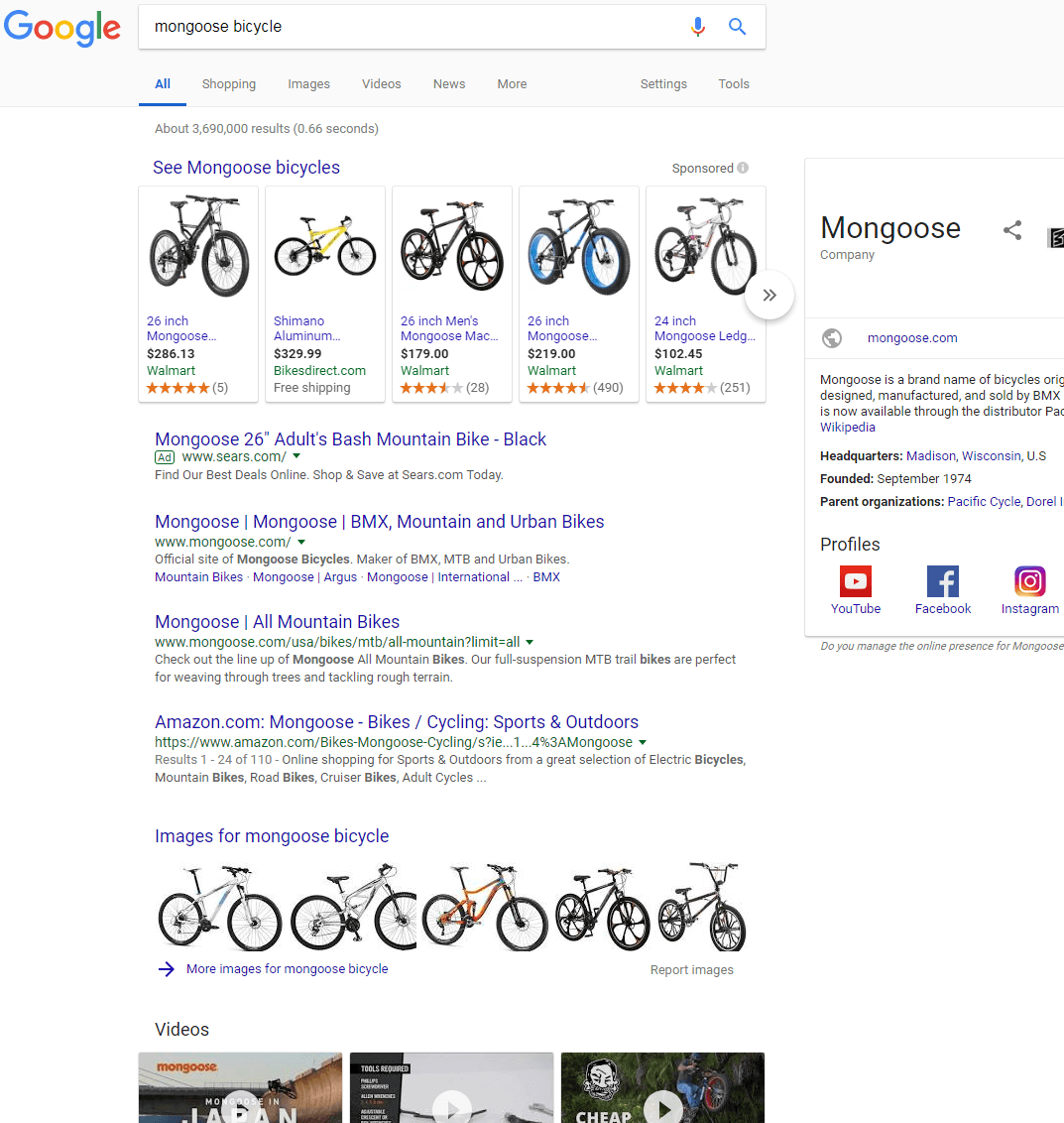
Notice how sponsored shopping ads are being displayed, followed by organic results of websites that sell Mongoose bicycles. Google understands based on the history that users that type this query in, people are typically looking to make a purchase.
Now that we know what Informational & Transactional mean, why is this important for SEO?
To effectively write content that can perform well in the SERPS it is imperative to know user intent. This is essentially Google telling you the type of content that must be written to have a chance at success.
Using the example above for “mongoose bicycle”. By taking a look at the organic listings I can immediately tell this is transactional so I will want to make sure the copy I create is written to focus on a consumer who is looking to make a purchase instead of simply writing about the history of the mongoose bicycle.
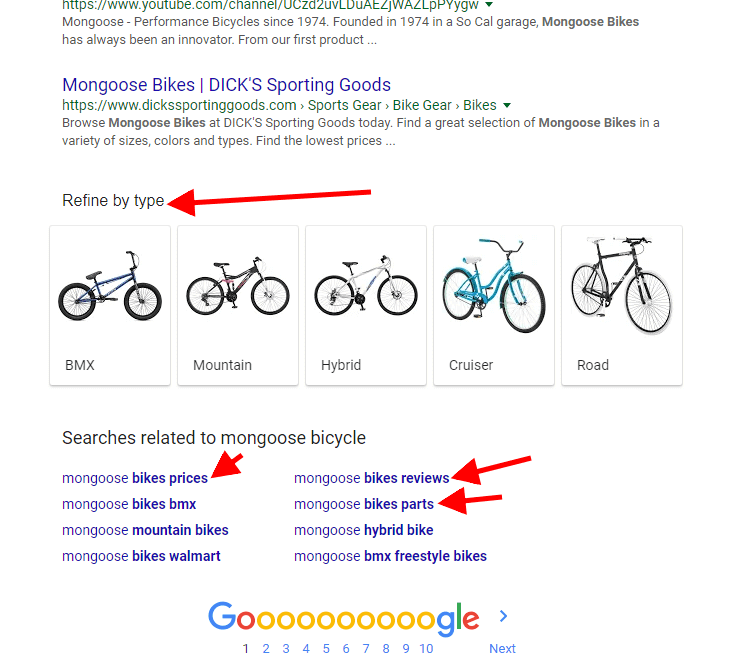
There are other clues that you can take from the organic listings as well that help in answering users questions:
Notice how Google displays types of bikes, prices, reviews, & parts. Knowing that Google is connecting those terms with the main topic, I want to make sure in my writing, I talk about those descriptors.
4. How Comprehensive Is My Topic?
As mentioned above, when creating content you want to make it so helpful that Google has no option but to rank you because you have covered this topic better than anyone else.
Based on this you need to know how comprehensive a particular topic is. One of the best ways of researching this is to analyze the Page 1 organic listings and identify the length of their text. I then average out the length of that copy.
How do find this?
While there are several tools that do this, my favorite is SEMRush’s SEO Content Template.
After inputting a primary topic or keyword, SEMRush does most of the work for you. They scan the top 10 ranking sites and spit out the average text length.
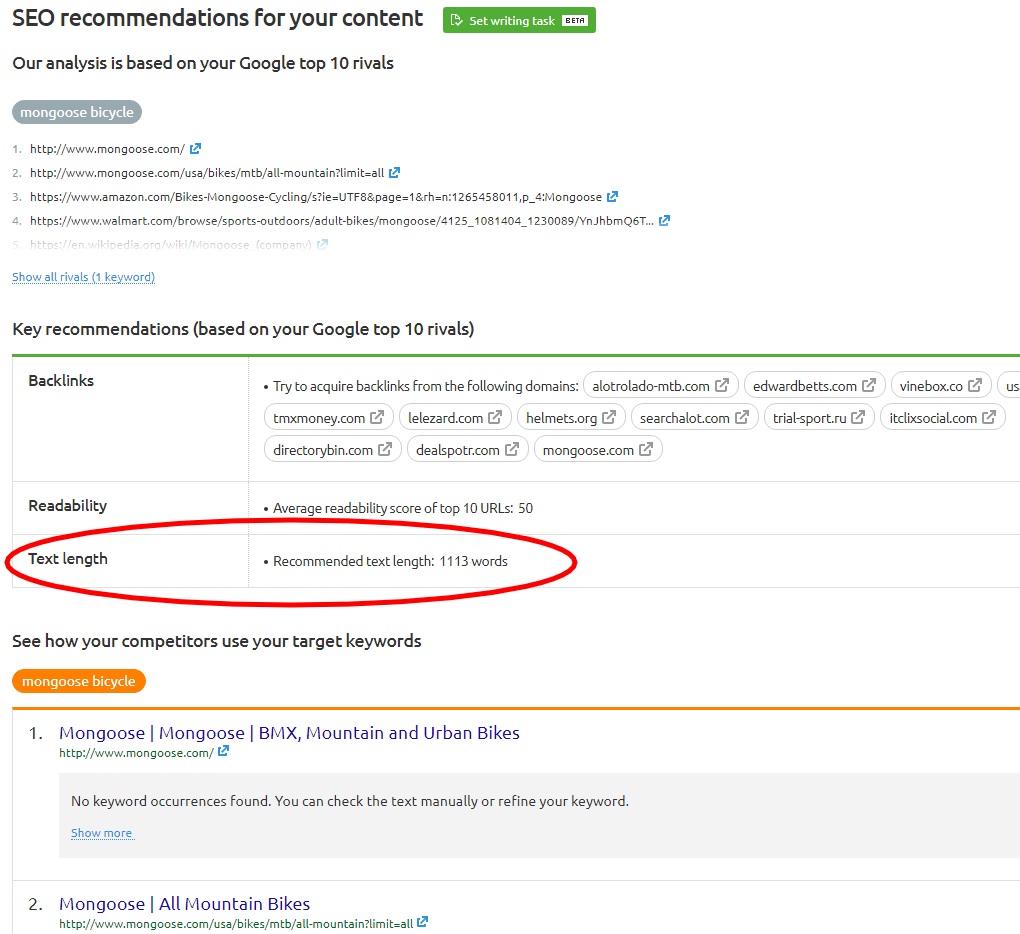
While this is not a hard and fast metric, it should be used as a directional metric.
This is helpful because if the Top 10 ranking sites average text length is 3000 words and I write a piece of content that is 400 words, there is a good chance Google won’t view my coverage of the topic as comprehensive enough.
This can sometimes be construed the opposite though as well. It also doesn’t mean that by writing 10,000 words you will be viewed as the best.
Make sure you try to answer the user intent and do so as thoroughly as possible.
5. What’s Your Unique Value?
The last step in developing your content strategy for individual page optimization is identifying your unique value.
- What have the top sites failed to cover?
- Where have they covered but not extensively enough?
- Could the reader benefit from seeing visuals within the copy to better understand?
- Do you have a special understanding of a topic better than most where you can give more insight than a layman?
There are many scenarios where one could cover the same topic as many others but tie in their unique value.
Unfortunately, there are no magic tools that do this for you. One must analyze by manually reviewing the competing pages to find those opportunities or gaps.
But finding your unique value is the difference between everyone else and the best in class.
How do you make content SEO Friendly?
Now that you have researched and developed the pre-planning strategy of your content, now comes the actual writing.
There are 6 steps you will want to follow to make sure your content is written with search engine optimization in mind:
Step 1: Create a catchy Title (Headline) that incorporates your primary keyword
Not all Titles are created equal. Outside of the content itself, a quality headline is arguably the biggest difference between successful engagement and a flopper.
This is the first thing that a user will see when performing a search. In fact, on average 5 Times as many people read the headline as the body copy.
Best practice is to try to incorporate your primary keyword towards the front of your Title if at all possible.
The Title should be no longer than 600 Pixels in length. (if you use WordPress and have Yoast installed they tell you this when creating the page. If you don’t have WordPress, I’d recommend using the Moz Title Tag Preview Tool.)
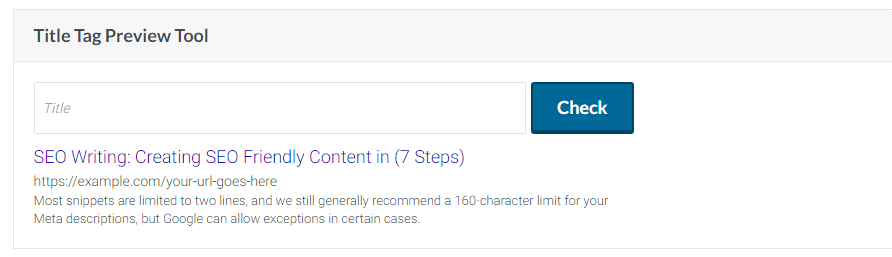
It takes time to write an engaging headline. One of the fastest ways to do this is to use the Coschedule Headline Analyzer.
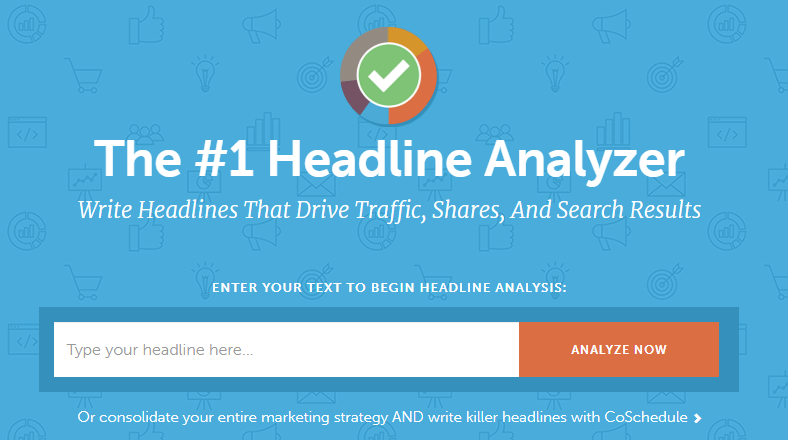
After inputting your Title, it will score your text and provide suggestions on how to make it better.
Do this until you have found a winning combination and achieved at least a score of 80 or higher if possible.
Step 2: Write a compelling meta description
A meta description is used to summarize the content of a page. Search engines typically show the meta description as a snippet of text in the results pages.
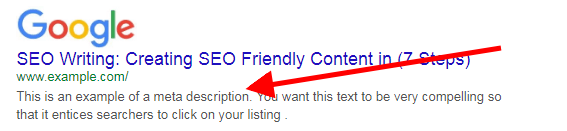
While not a direct search engine ranking factor, meta descriptions are vital to gaining high click-through-rates from the SERPs.
It is a best practice to try to incorporate your primary keyword(s) within the description in a natural, non-spammy way. Always ask yourself, is this how a person would talk? If no, you might want to consider writing it more instinctive way.
While Google can truncate your snippet, it is also recommended to try and stay below 300 characters.
One way to test or preview a meta description is using our handy SERP Optimization Tool:
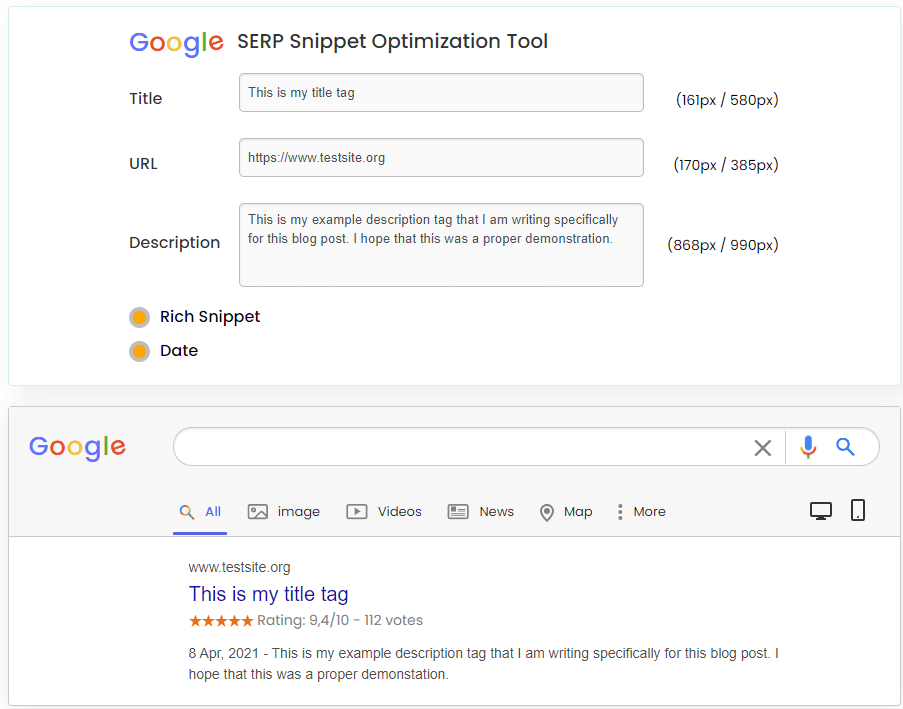
You simply enter in your description idea and see how it fits character wise and also looks in the preview.
Step 3: Write the Content using your pre-planned outline
This step is pretty self-explanatory. This is where you actually write the content using all of the elements you previously gathered in your analysis.
I find it helpful to just write and once I feel like I have covered the topic completely, then go back and edit where necessary.
You don’t want to feel too boxed in and have it alter your creative freedom.
Step 4: Make sure your Content answers your audience’s questions
Briefly discussed in the content strategy above, you want to make sure your content answers the common questions your audience might have.
Incorporating this ensures your copy is comprehensive in nature.
So, how do you find this?
There are many tools to help, but I’m going to give you the few that I use based on personal preference:
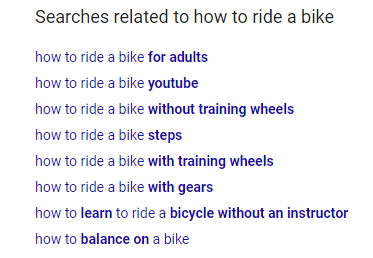
- Google – The first thing I do is type in my primary keyword(s). At the bottom of the results you will see a section titled “Searches related to”
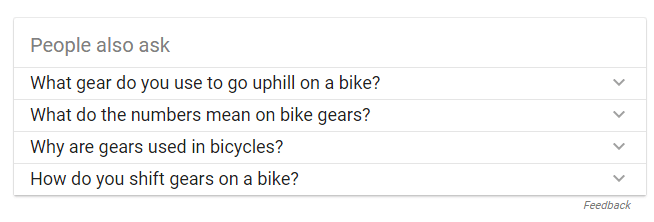
- Google – The second thing I look for is to see if that same results page has a section called: “People also ask”

- Ahrefs Keyword Explorer – There are many keyword research tools available but I tend to lean towards Ahrefs. If you enter a keyword and click on “questions”, they will provide you a list of the search queries that include the primary term you entered.

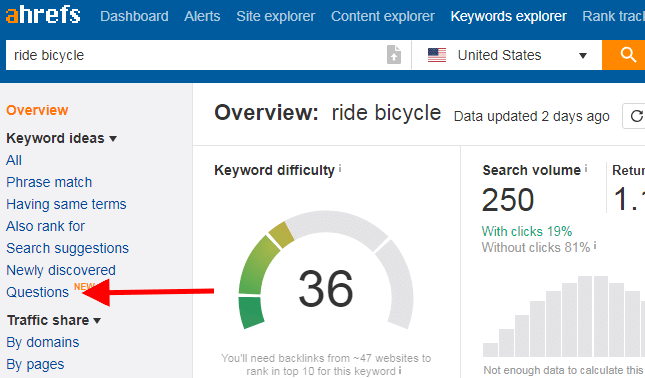
Once I have the common questions, I look to ensure my content has answers to the most common questions related to my topic.
Step 5: Incorporate semantic keywords to enrich your text
When it comes to “search”, semantic essentially means related. As it relates to the contextual meaning of a word.
From an SEO perspective, having semantically related terms to your “primary keyword(s)” helps provide a more connected and complete understanding of your topic.
So how do you do this?
By now the content should be written. This is important because to get the most accurate data back, you want to analyze the copy you just wrote against the copy of the top ranking websites for your primary keyword(s).
There are several great tools you can use to do this, but I tend to use Ryte’s Content Success tool.
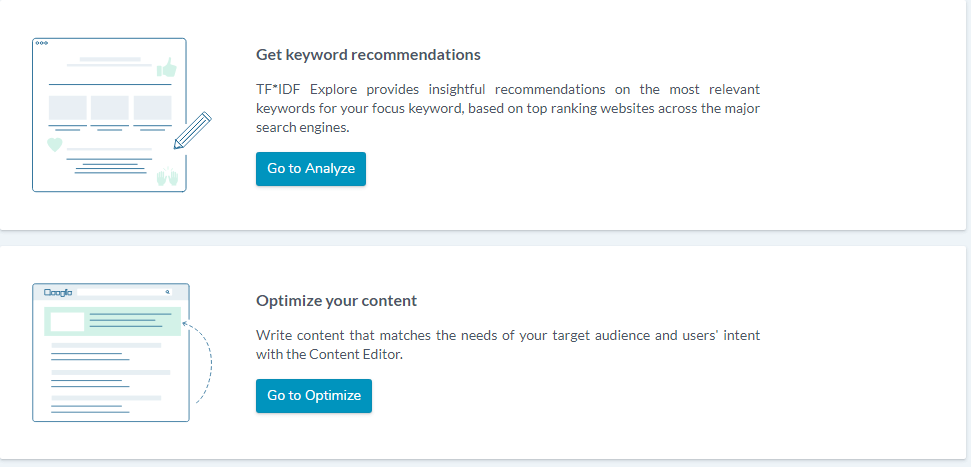
If you click on “optimize your content” you can literally enter in all the copy you wrote and specify your primary keyword and Ryte will do the analysis for you based off researching the top ranking sites.
It will tell you what keywords to incorporate more within your text, which ones to reduce, and which ones to remove altogether.
As you update your copy you can continuously re-check for completeness. While this doesn’t guarantee you will rank, it helps ensure your content is topically in-line with your competitors.
Step 6: Review the final content to ensure its readability
The final step is to look at your content from a subjective point of view. If you were to come across this content, how easy would it be to read?
Have you checked for:
- Grammatical errors
- Spelling errors
- Sentence structure
- Etc.
The question you must ask yourself is, is your content fitting for your target audience?
Conclusion
Writing effective SEO content takes thorough analysis & planning. But when done properly, the results speak for themselves. Take the extra time to do it right because releasing low-quality or thin content that doesn’t provide value only hurts your site in the long run.
Happy writing!


Enter your email to get strategic insights, a plan of action, and pricing options.
From Our Insite Blog
We believe that SEO requires an all-encompassing approach to ensure a sustainable future for your site and achieve your goal…. conversions.

A company that delivers results from the moment you start. I'm happy our company found them and I plan on working together for a long time to come. Thanks HV!